Winter Greetings!
It was another successful year of growing lots of tasty veggies here at Tinicum CSA as we completed our 13th season. And while being productive is our job, almost more importantly, we had fun along the way. I hope you enjoy my reflections on how it went and gain a greater understanding of the behind-the-scenes farm work. We are especially glad that you chose us to be your farmers.
Farming and Parenting
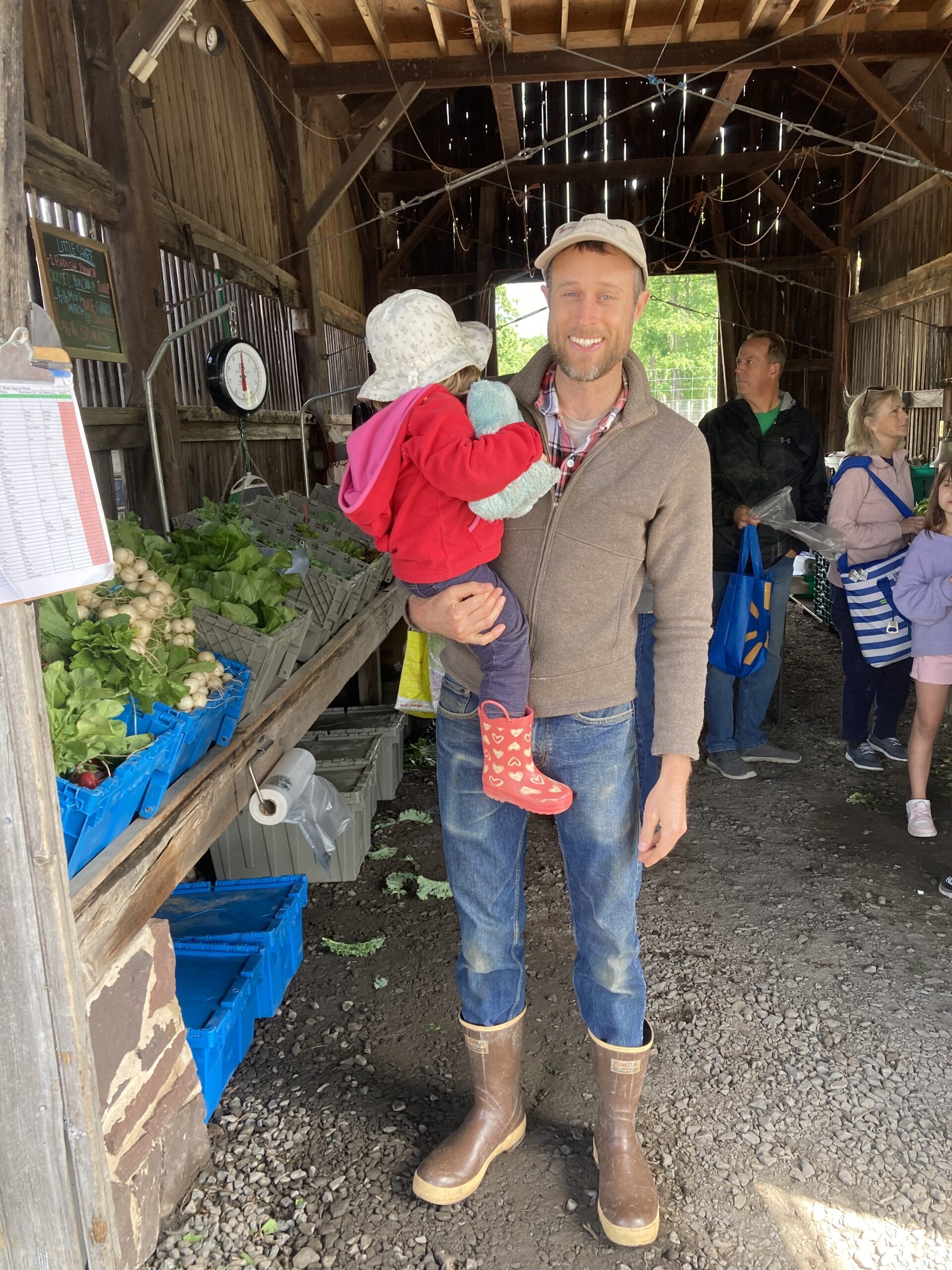
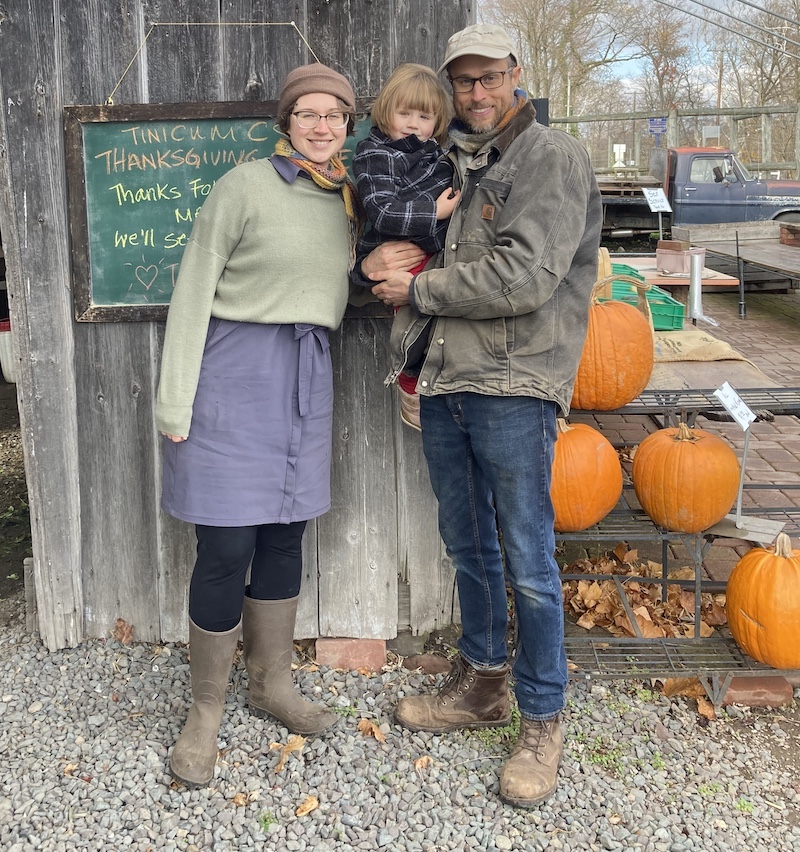
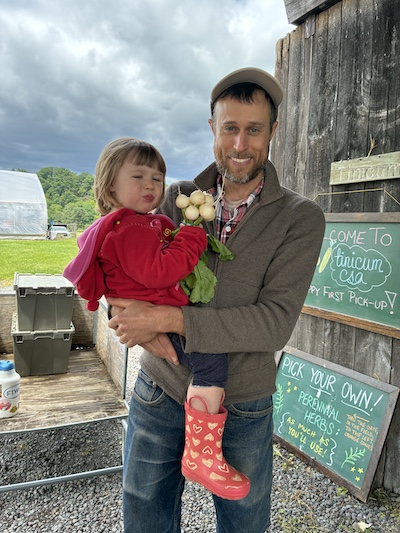
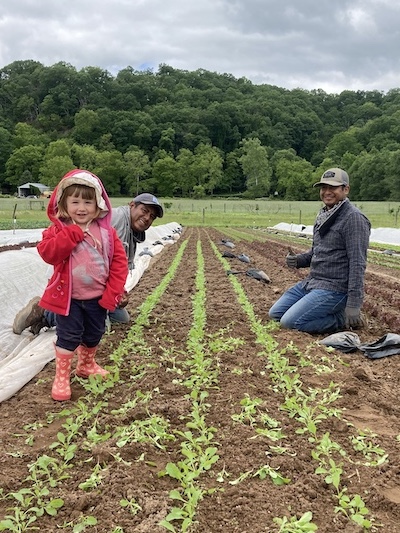
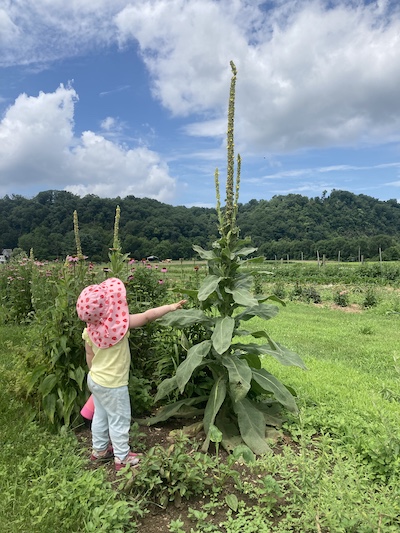
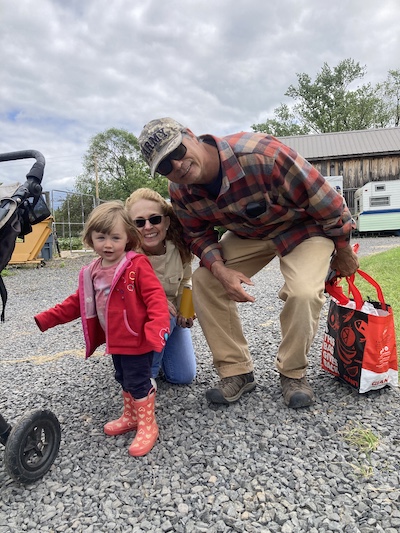
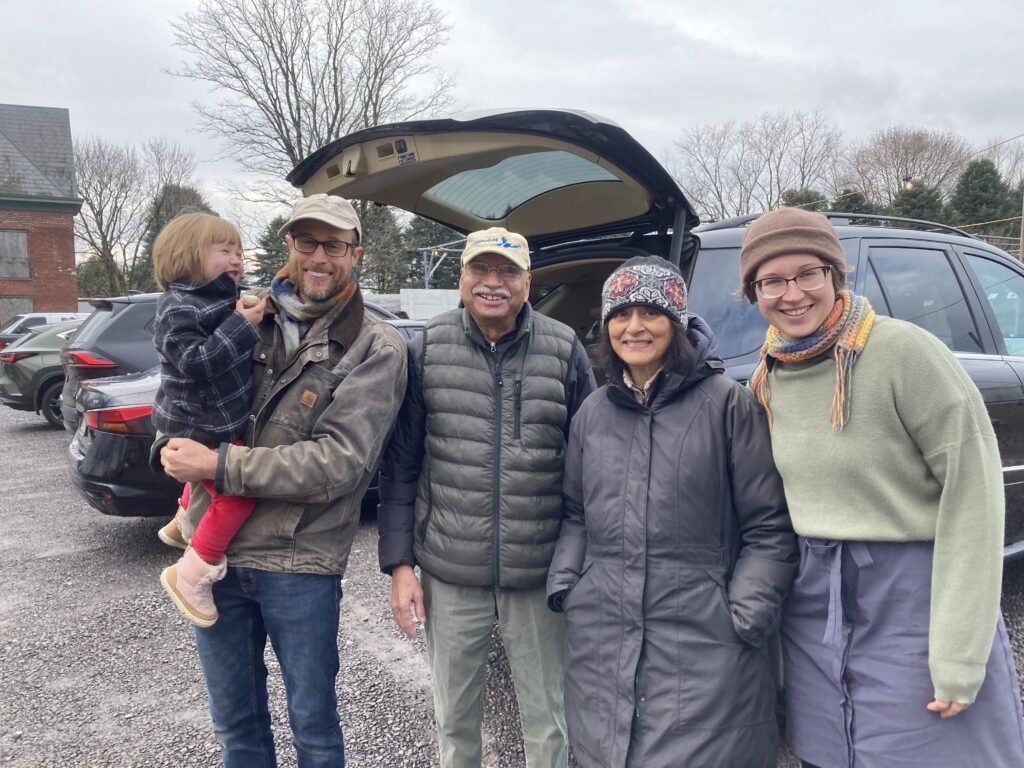
Farming is even more personally meaningful to me as I watch our daughter, who is now 3, march around the place with purpose and opinions. Althea loved visiting the farm crew, making appearances at pick-ups, and eating raw turnips. She’s a big fan of ground cherries and loves the flowers. Amanda, Althea and I especially enjoyed chatting with folks at the Thanksgiving Bonus Share. This has become an annual tradition for us and we love catching up with folks at the end of the season.
Vermont Potting Soil
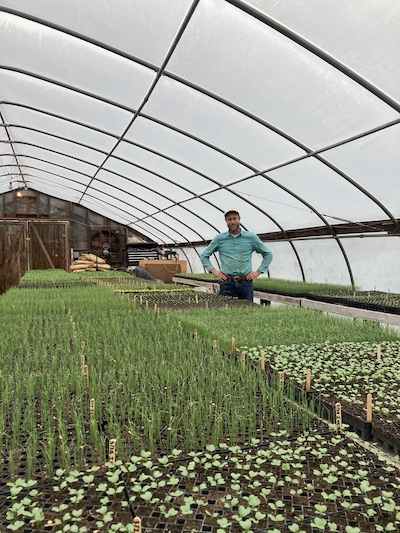
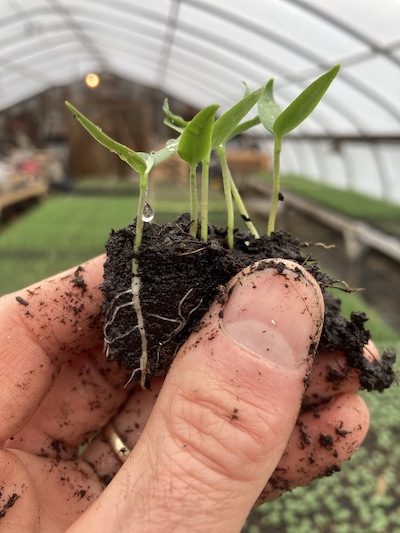
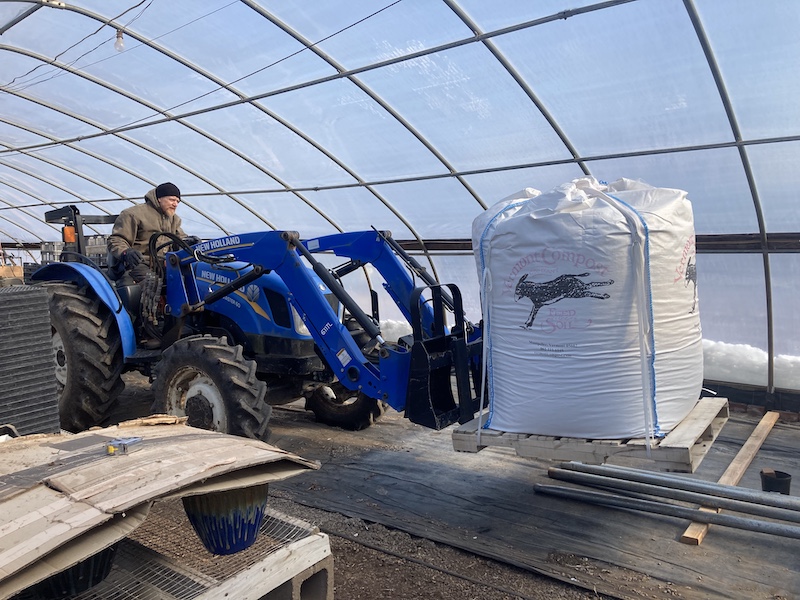
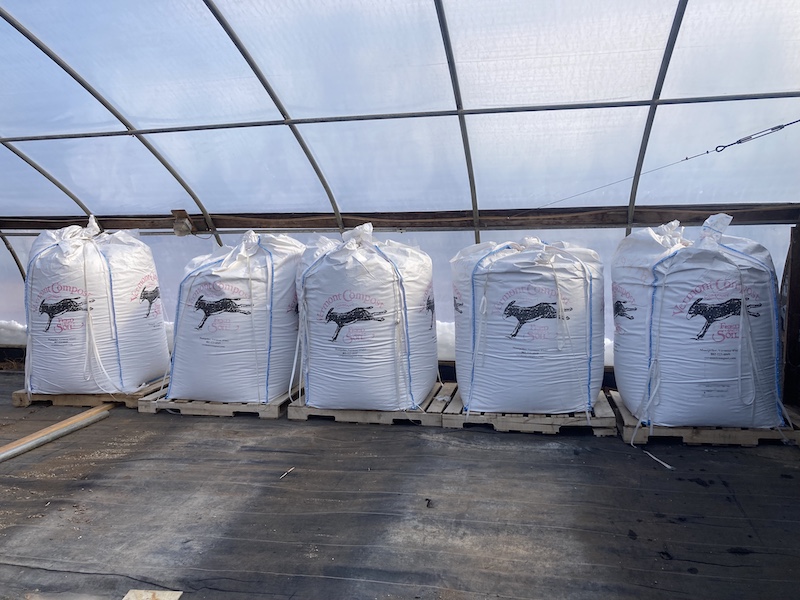
Long before any seeds are sown, we must have essential supplies for getting started. Potting soil is one of the most important resources we use to grow our seedlings. And this year I decided to upgrade to the Vermont Composting Company’s potting soil. While I had always purchased organic potting soil from another vendor, in recent years I had been noticing significant problems in seedling vigor. Weaker seedlings take longer to bounce back after transplanting and sometimes suffer from more diseases than strong seedlings. I’m happy to report that the Vermont soil vastly improved seedling health and we had better growth in the field because the plants were more resilient. I often tell the farm crew that “everything goes back to the beginning” and that investing in better potting soil is akin to investing in early childhood education. It’s always the right thing to do, and I was thrilled to see so many thousands of healthy seedlings this time around.
The soil came in these larger totes, so it took a bit of creativity to move them into their usual spot in the greenhouse. Fortunately, my landlord Craig was game for the challenge, and we worked together to move them into place.
Too Much Rain and Cooler Temps in the Spring
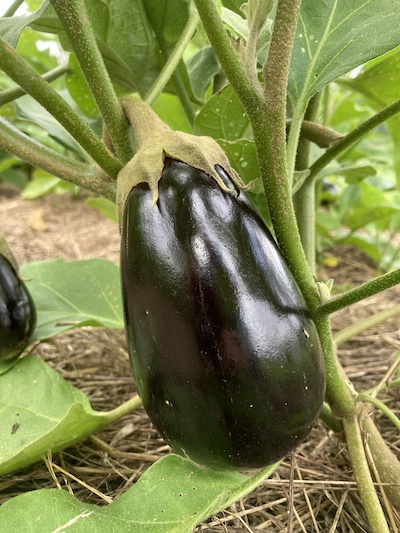
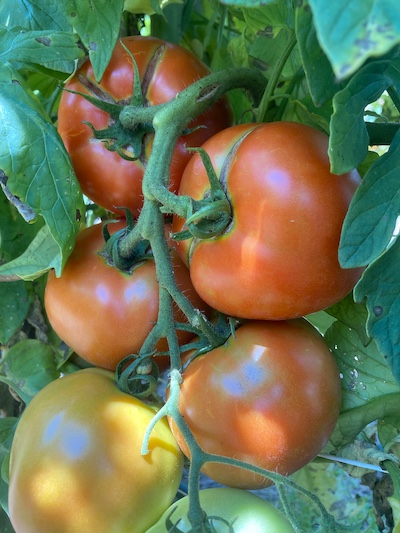
May came in like a lion this year and we continued to have more rain and cooler temperatures than is typical. This weather even continued into June. There were moments of doubt about the summer crops–peppers, eggplant, and tomatoes, but they grew through the unideal conditions and produced quite well. This is probably because of the superior seedling vigor as a result of using the Vermont potting soil.
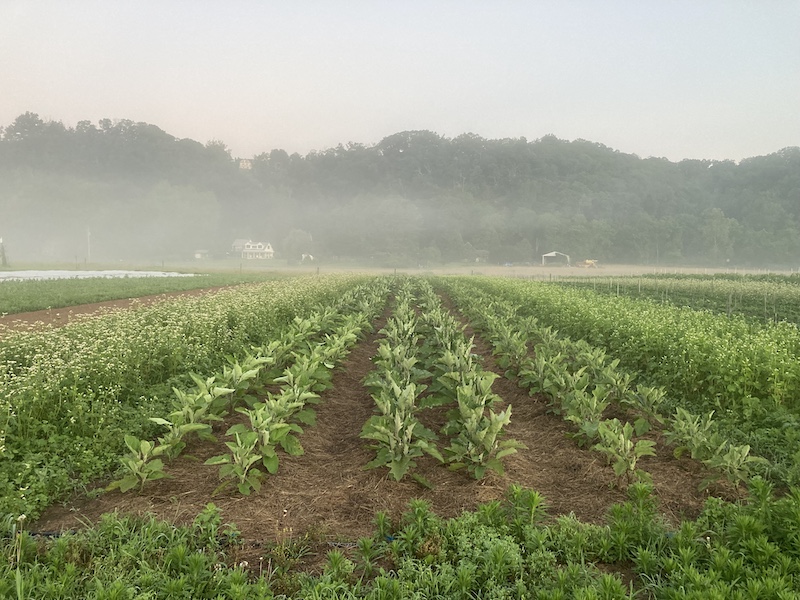
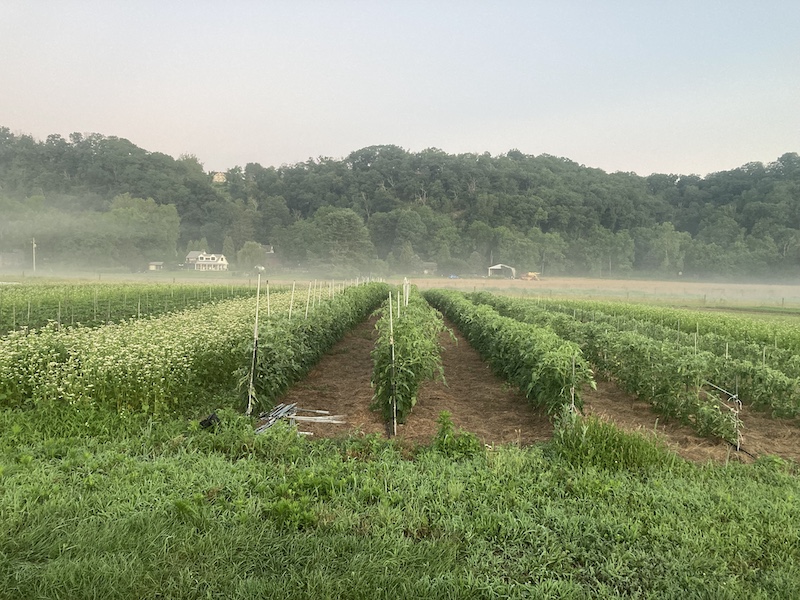
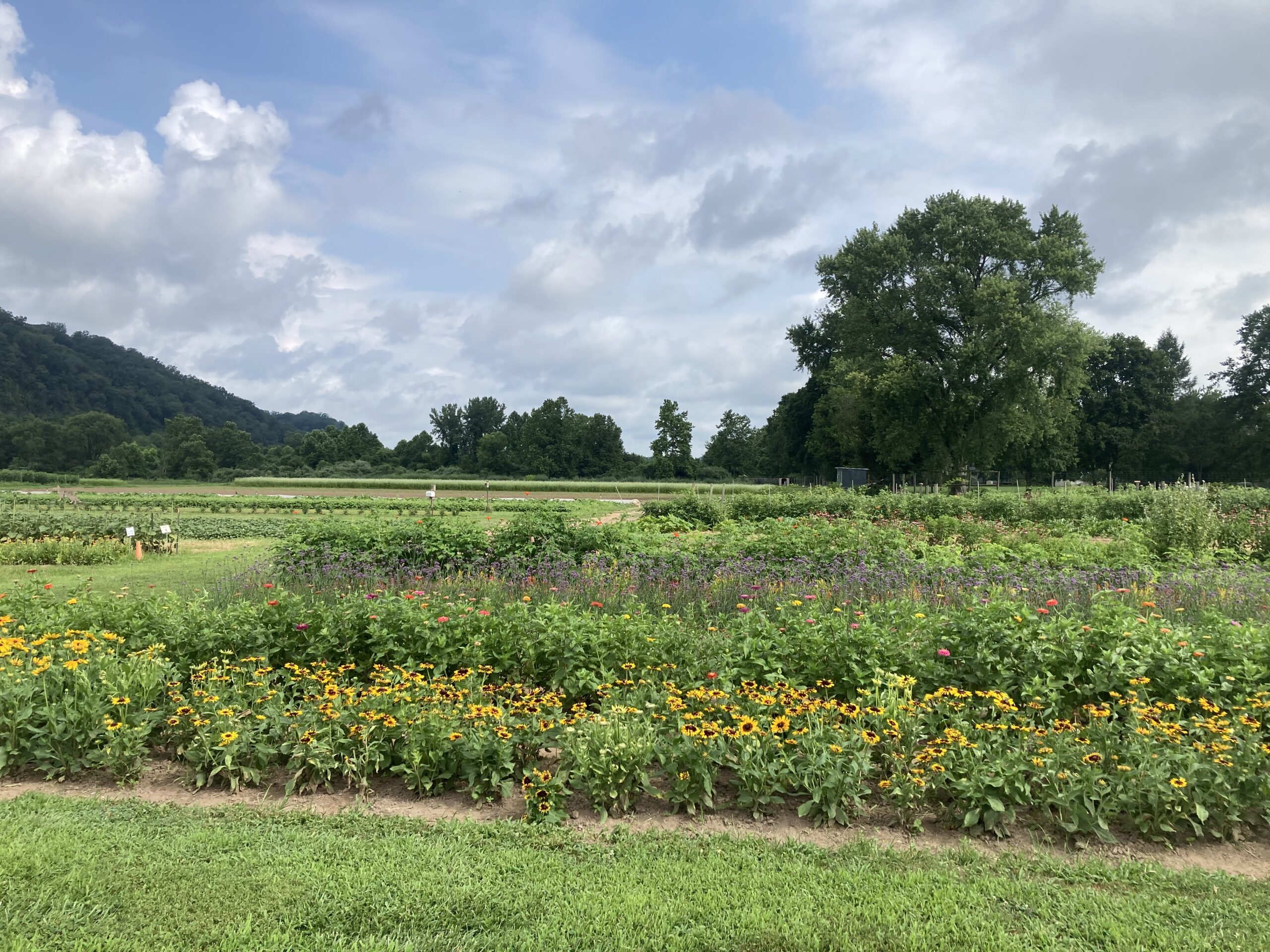
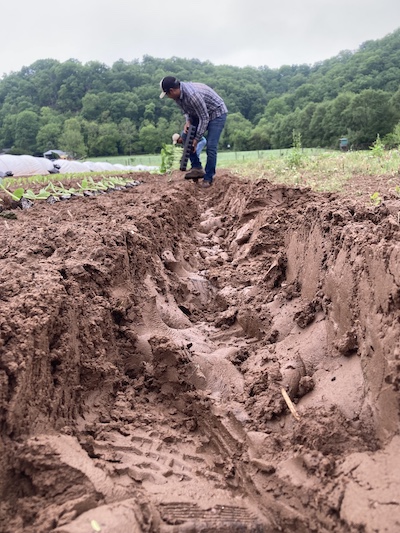
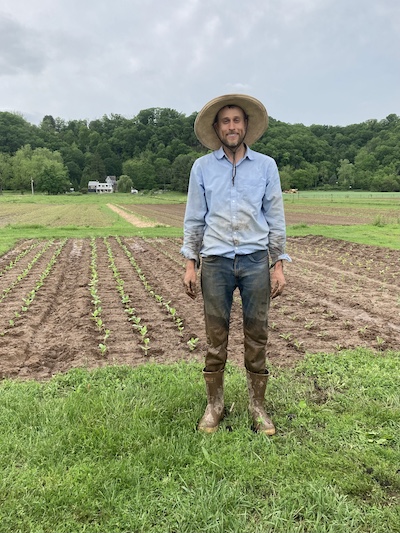
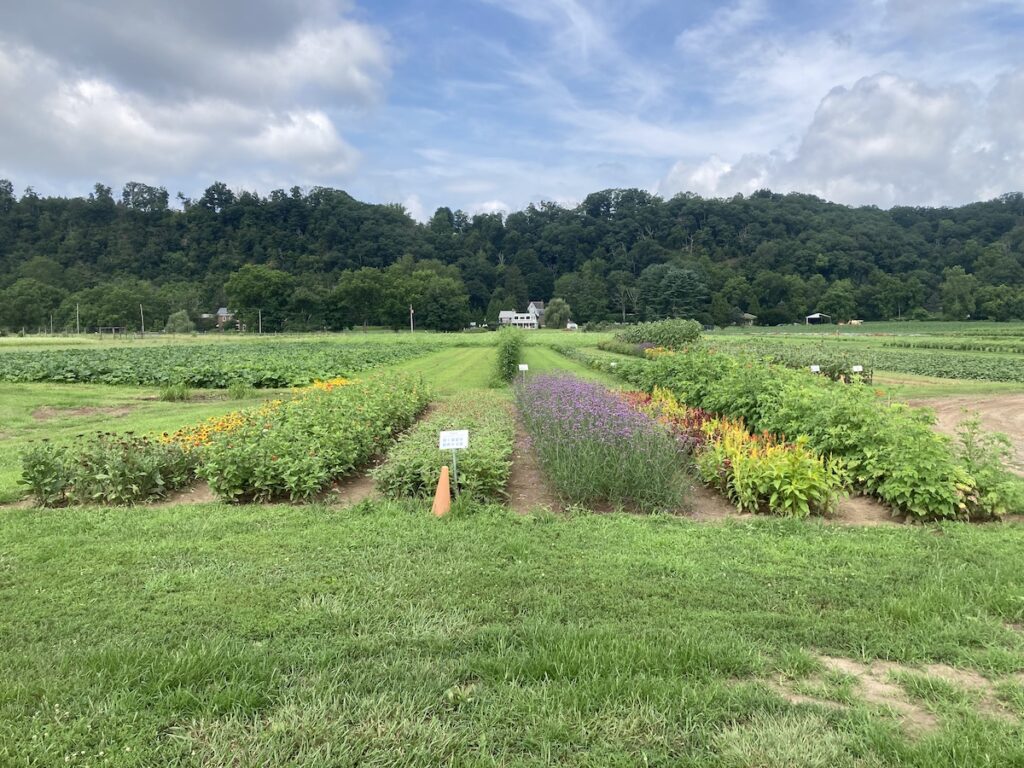
For some of our early plantings we were literally forced to plant into the mud. In particular our first succession of cucumbers and the flower patch went into very wet soil. In fact, on the day of the flower patch transplant we only managed to get the first two beds planted before a heavy downpour. Then we transplanted the rest into the mud. Fortunately, the flowers grew into a lush, colorful plot filled with pollinators, butterflies, and goldfinches.
New Field
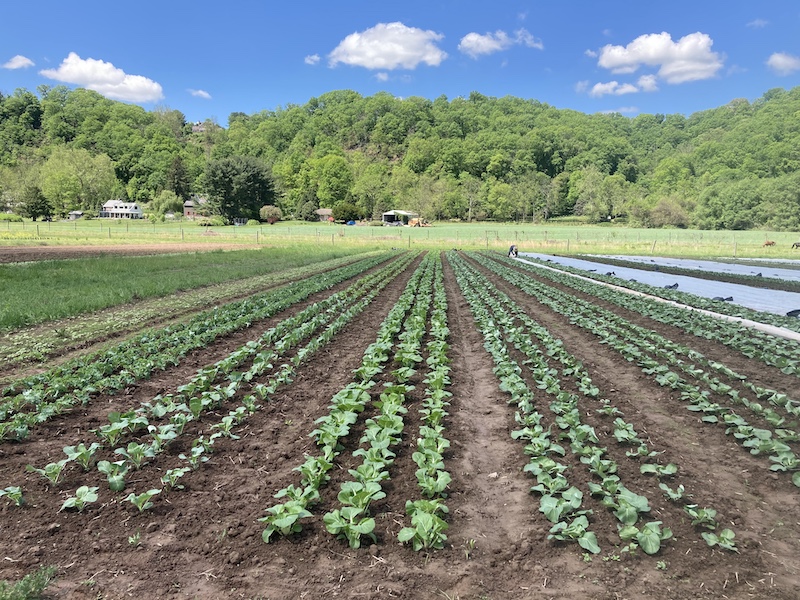
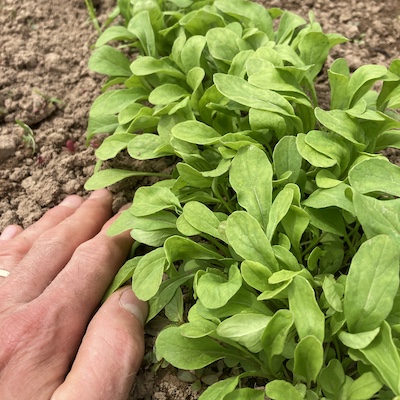
One exciting thing about 2025 is that we opened up a new field to veggie production. To improve the soil and prepare it for eventual vegetable growing we had been growing cover crops for several seasons. We also applied some agricultural limestone to help raise the pH. Overall, the veggies grew ok in this field but the plants were noticeably smaller than what we were used to. As a result, a couple of the first pick-ups felt lighter to me than usual and the spring spinach did not do so well. As farmers we see the cracks in anything before anyone else does. By the end of June, production seemed to normalize and this particular stress went away. PH improves over time and sure enough a Fall soil test showed that the pH had reached the optimal range for vegetable production.
Samuel & Jorge Returned for Their 2nd Season
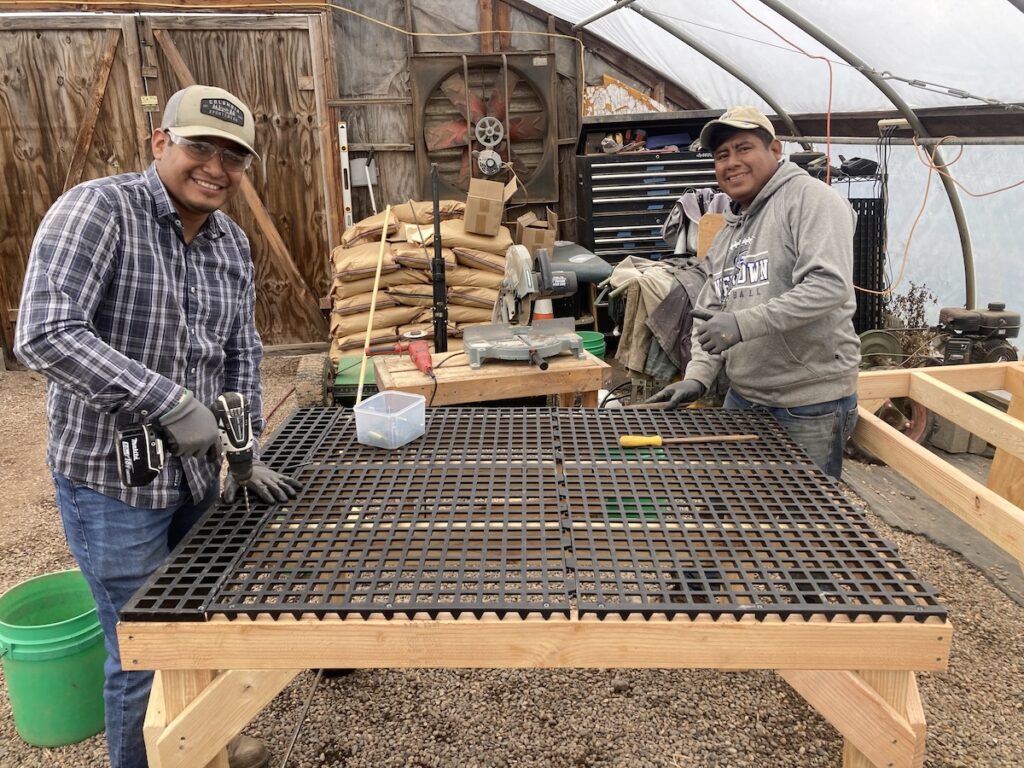
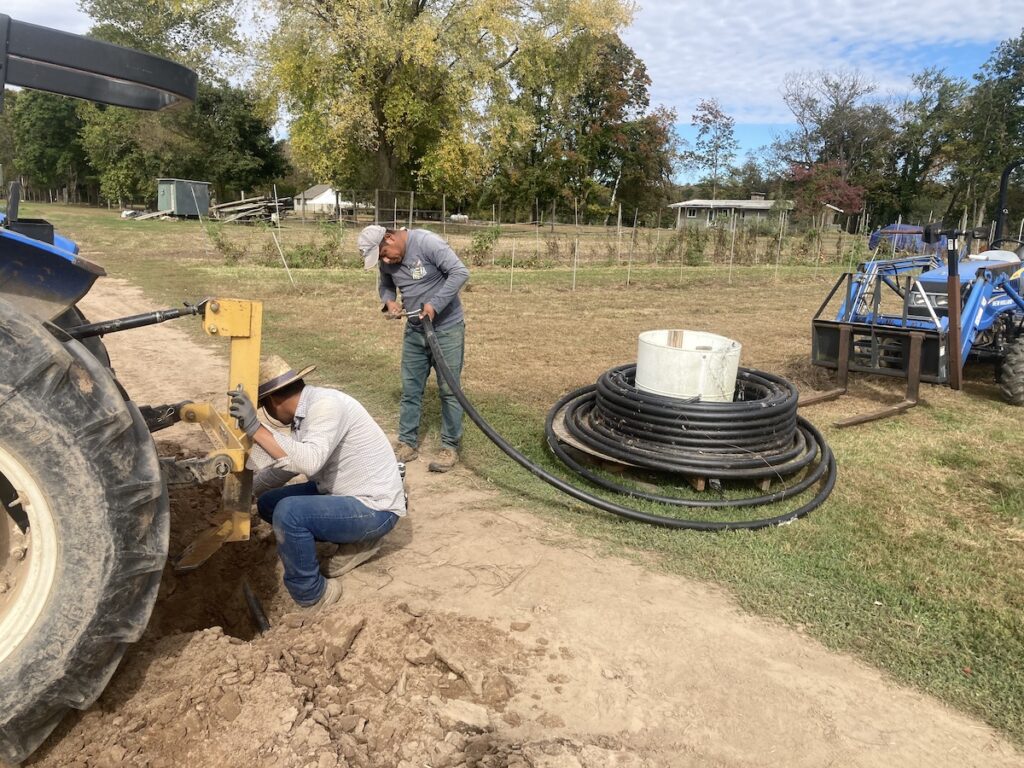
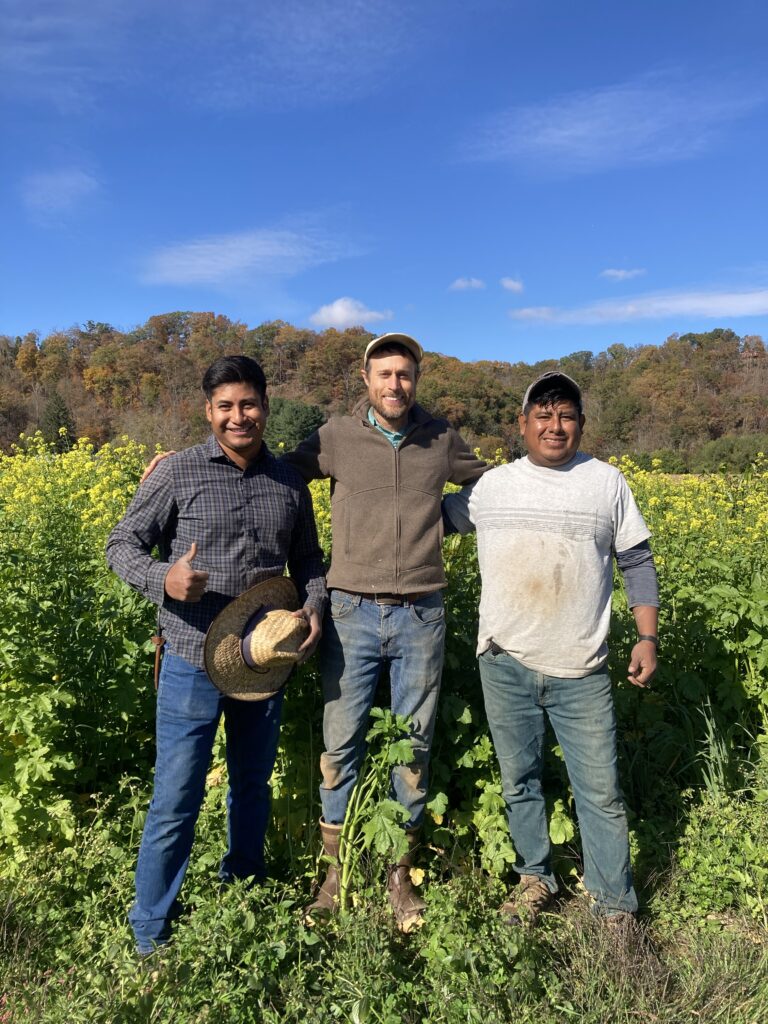
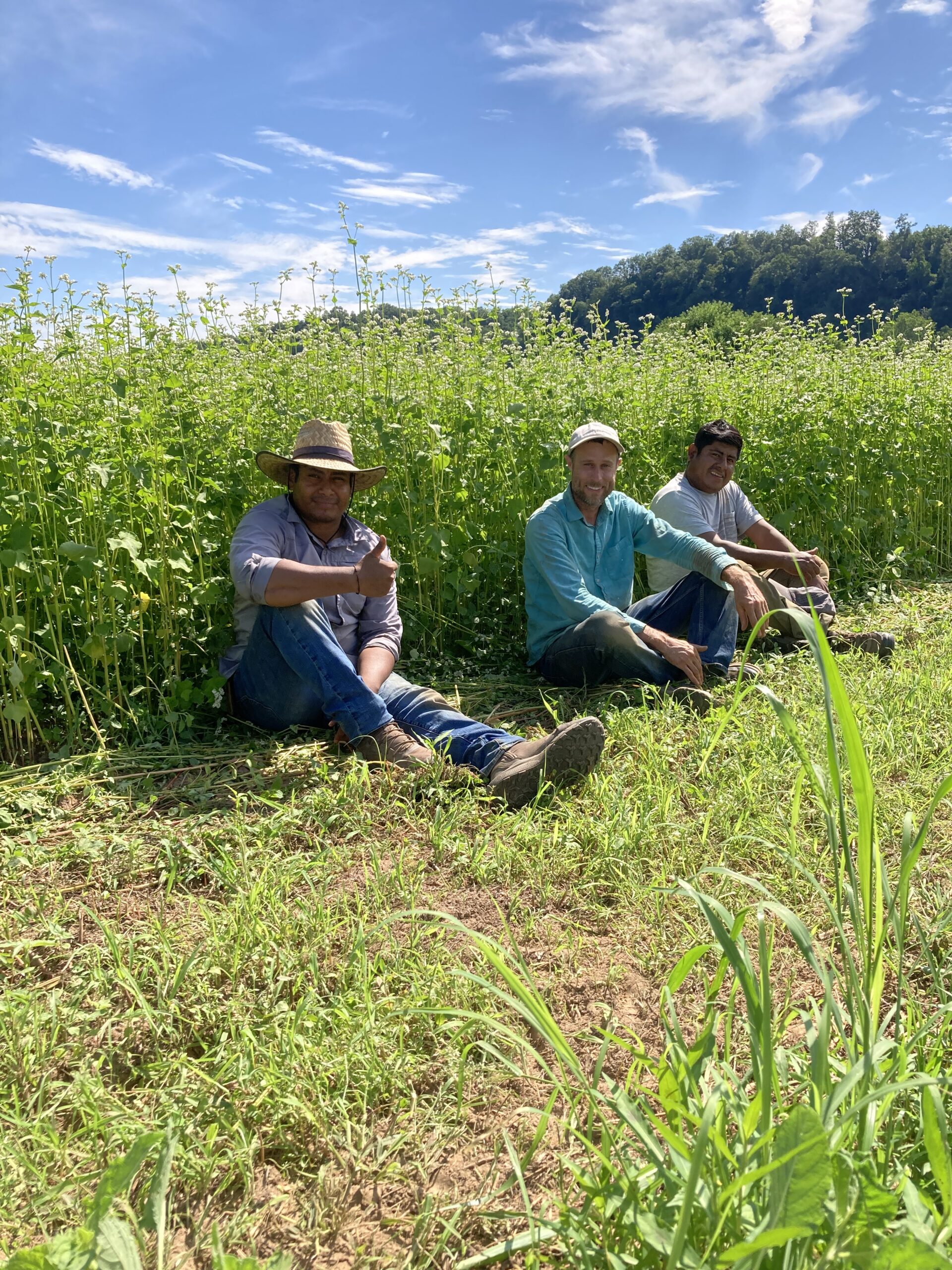
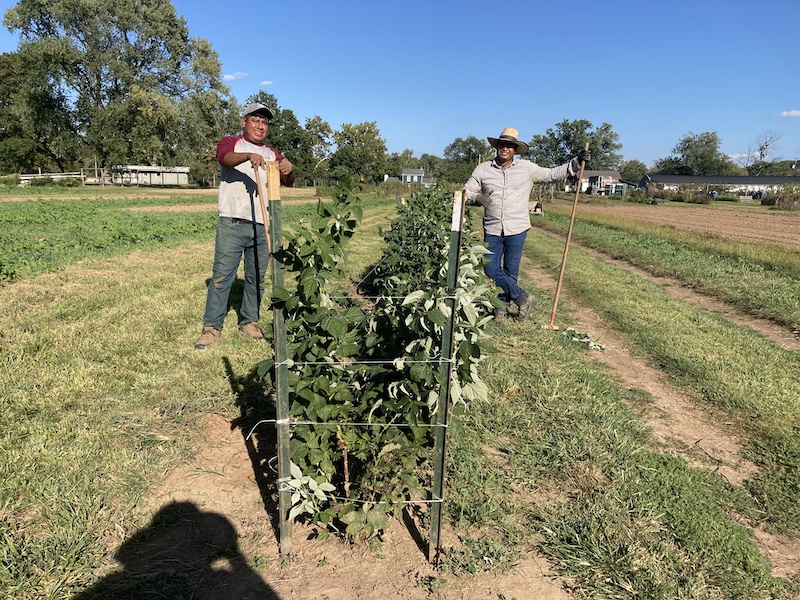
In 2025 I continued to participate in the H2A farmworker visa program by employing Samuel and Jorge again. In addition to several local part timers, Samuel and Jorge helped to cover the labor needs of the farm. Becoming a parent has meant that I spend less time on the farm because I’m caring for my daughter. Samuel and Jorge have become an essential part of the team, helping to fill that gap. Since it was their second season, they knew all of the farm systems and were able to hit the ground running. Just like last year, I was impressed with their farming knowledge and diverse skillsets. They built new, smaller, rolling greenhouse tables designed for injury prevention and installed additional irrigation lines. And I was especially grateful for their well-timed trellising. This resulted in healthier peppers, steady tomato production, and some of the best jalapeños we’ve ever grown.
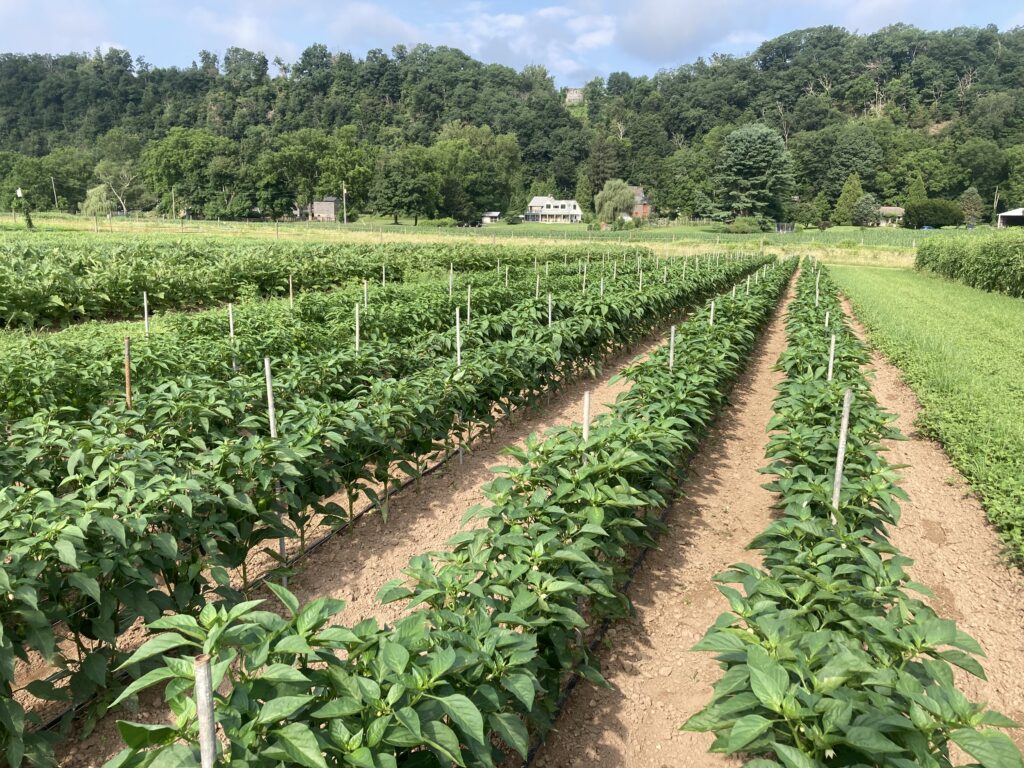
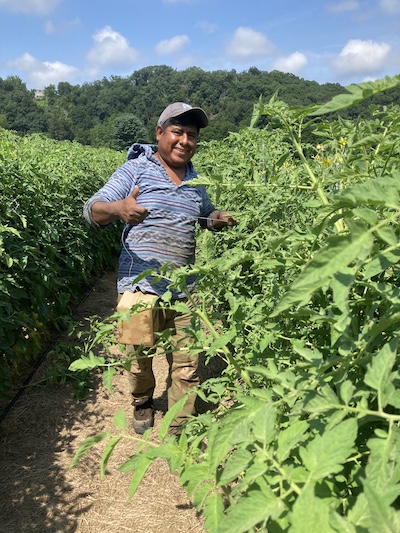
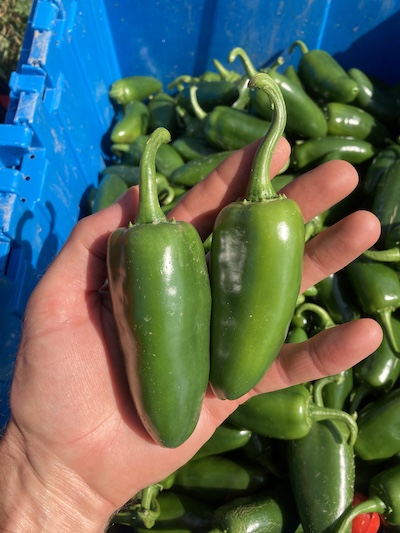
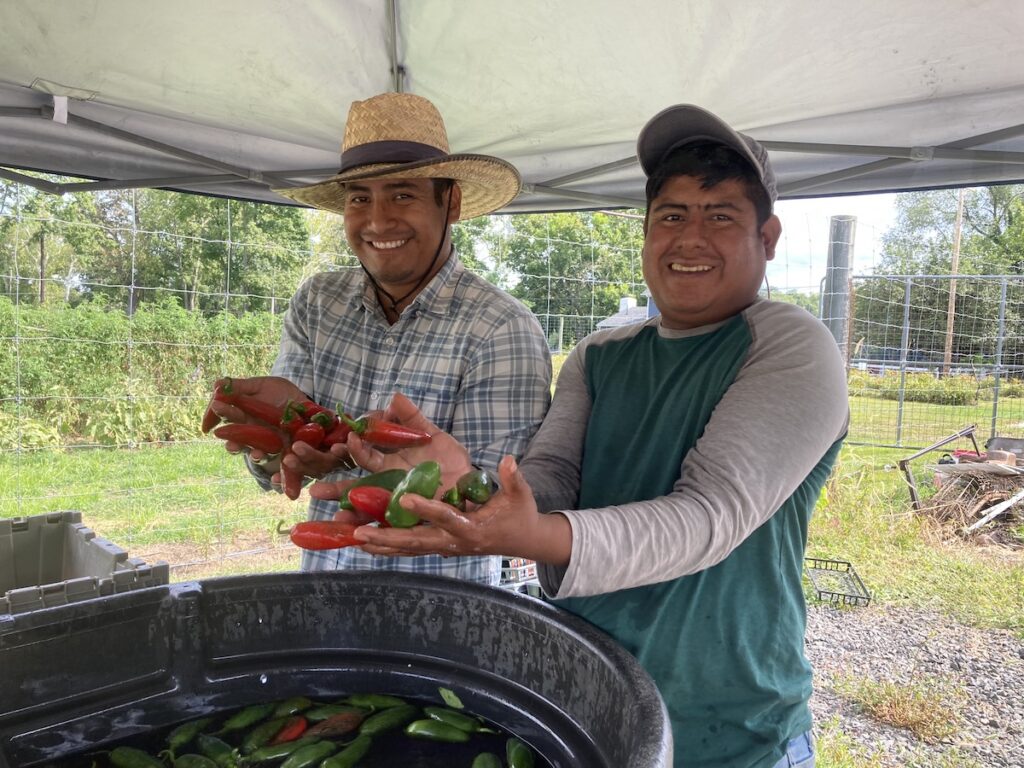
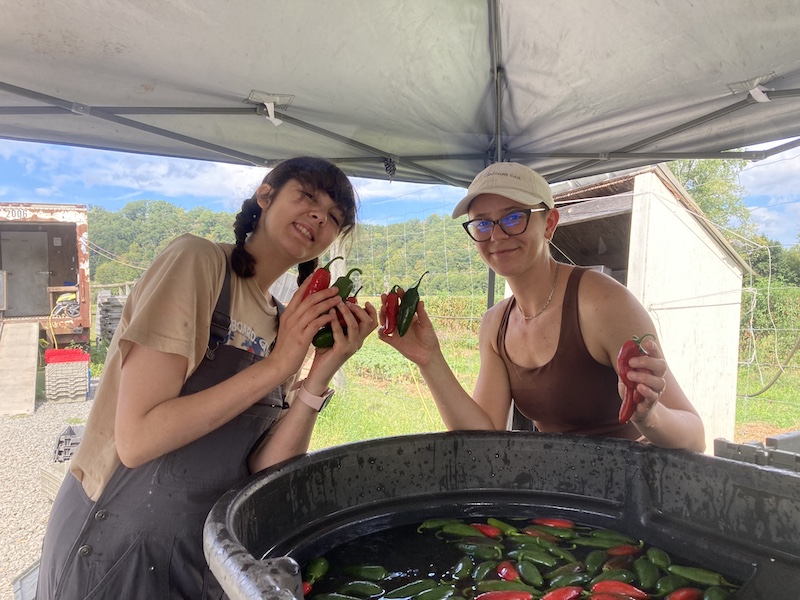
On a personal note, it was simply a privilege to get to work with such friendly people. I had so much fun speaking Spanish and we all developed great camaraderie around our shared experiences on the farm.
Best Farm Crew
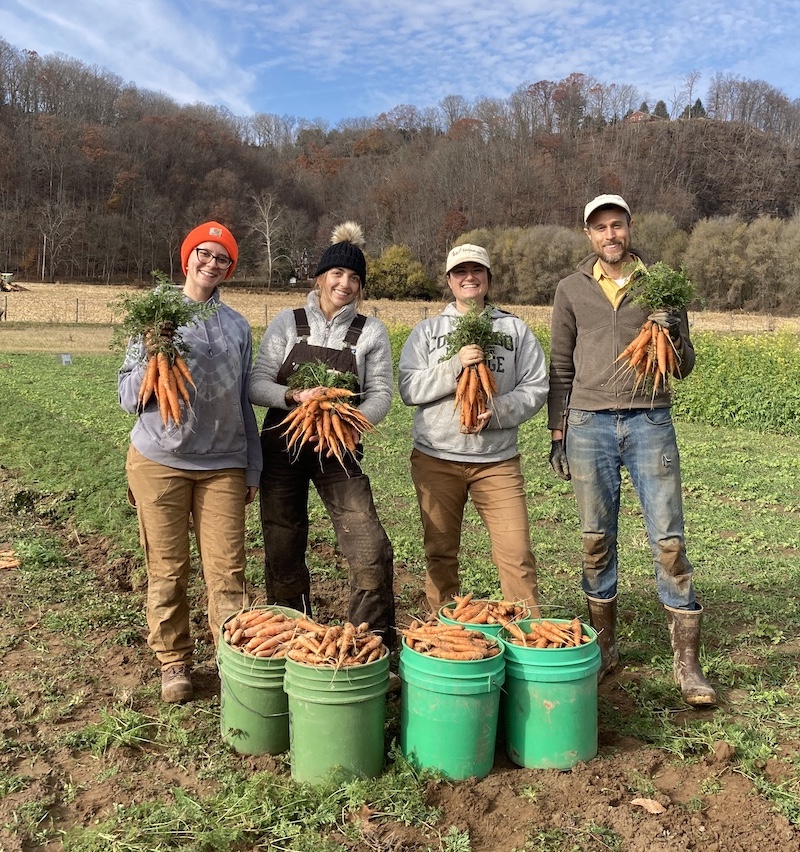
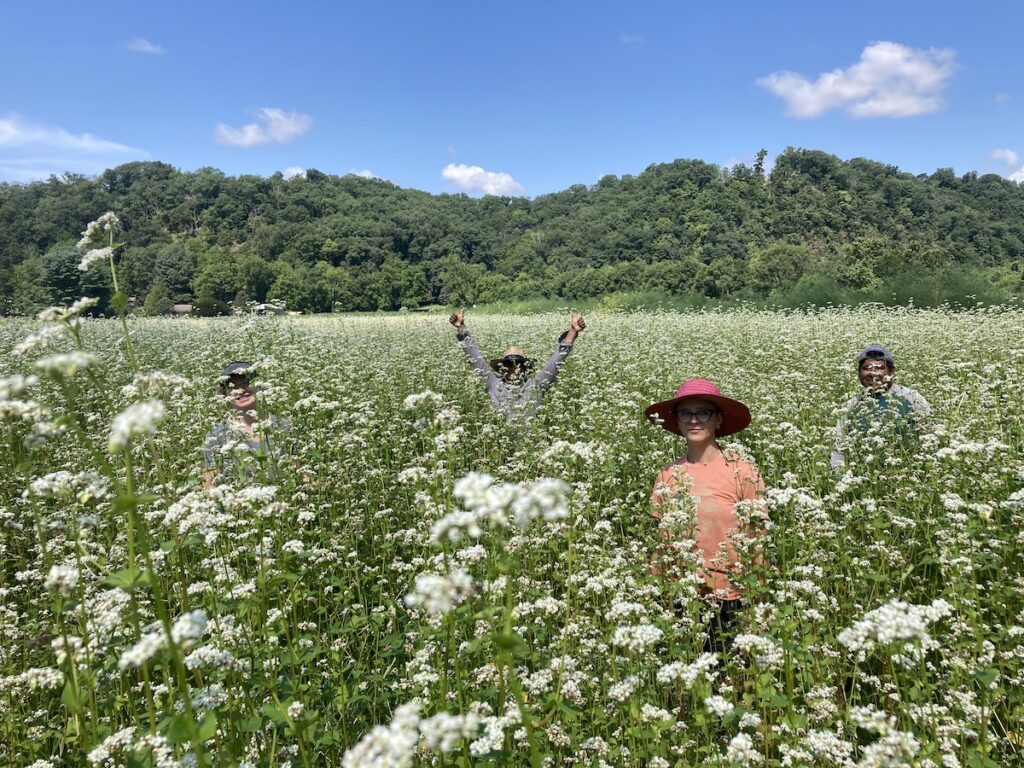
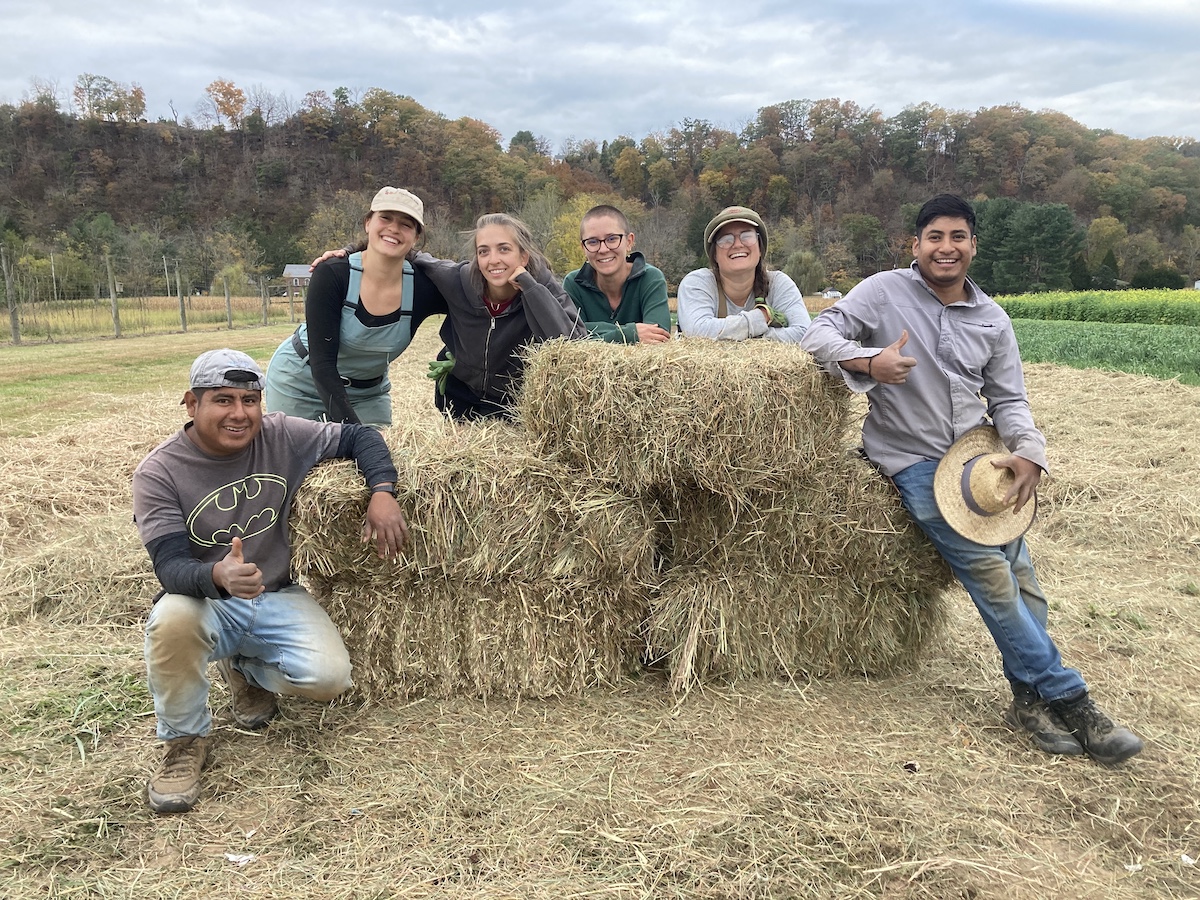
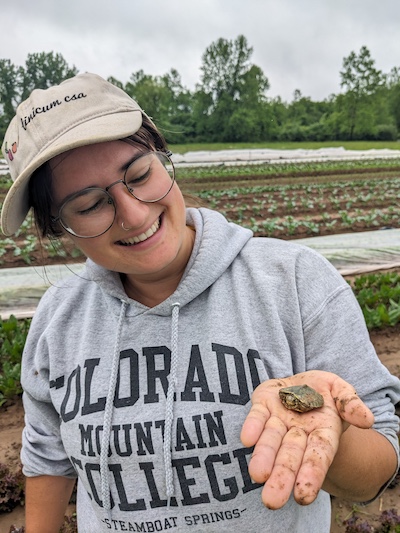
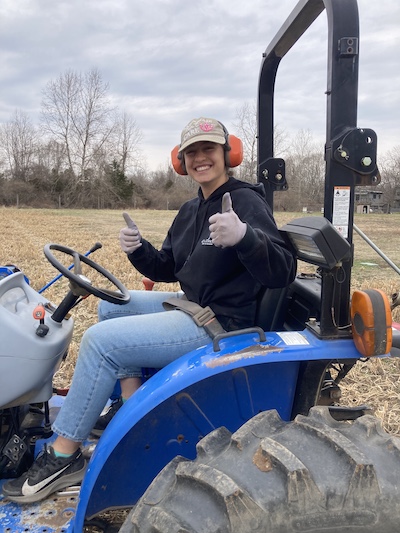
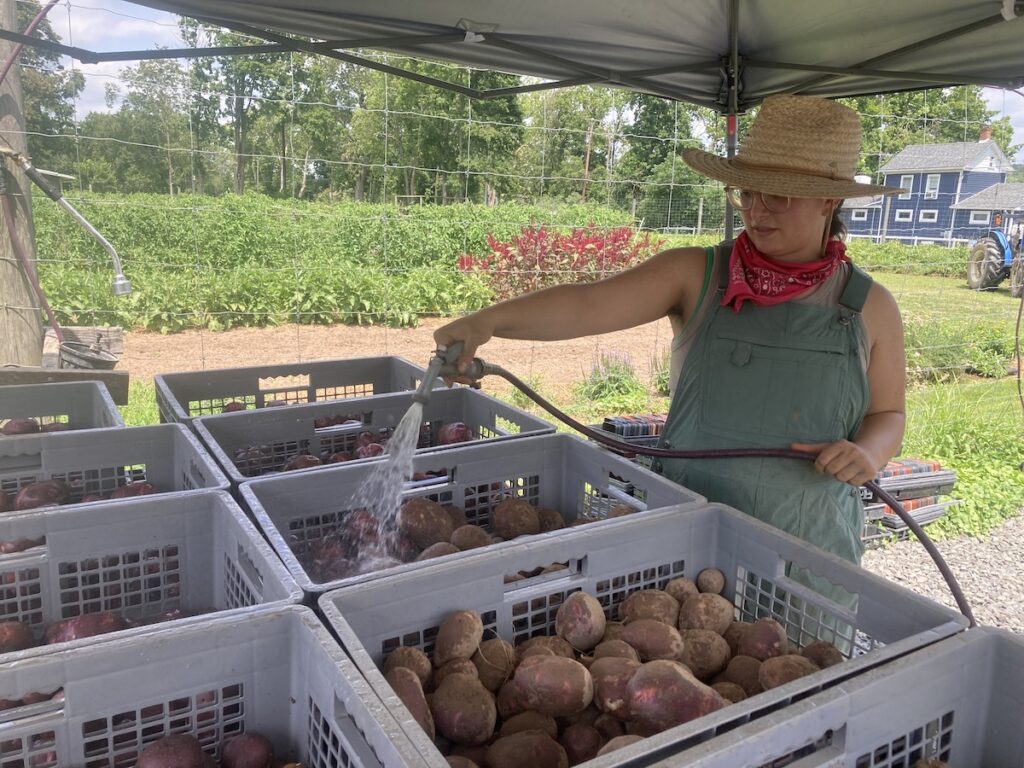
In addition to our friends from Mexico, I was fortunate to work with a talented farm crew of locals. Everyone had at least one season of experience at Tinicum CSA, and I was thrilled to have them return. When running a farm, finding skilled crew members is often one of the biggest challenges. Over the past few years, working with this crew has been a great source of joy. Big thank you to Rori, Miranda, Lielle, Charlotte, Isabelle, Hannah, Izzy, Samuel, and Jorge for making the farm happen. They really proved how a collaborative effort of people from near and far makes for a more resilient farm and community.
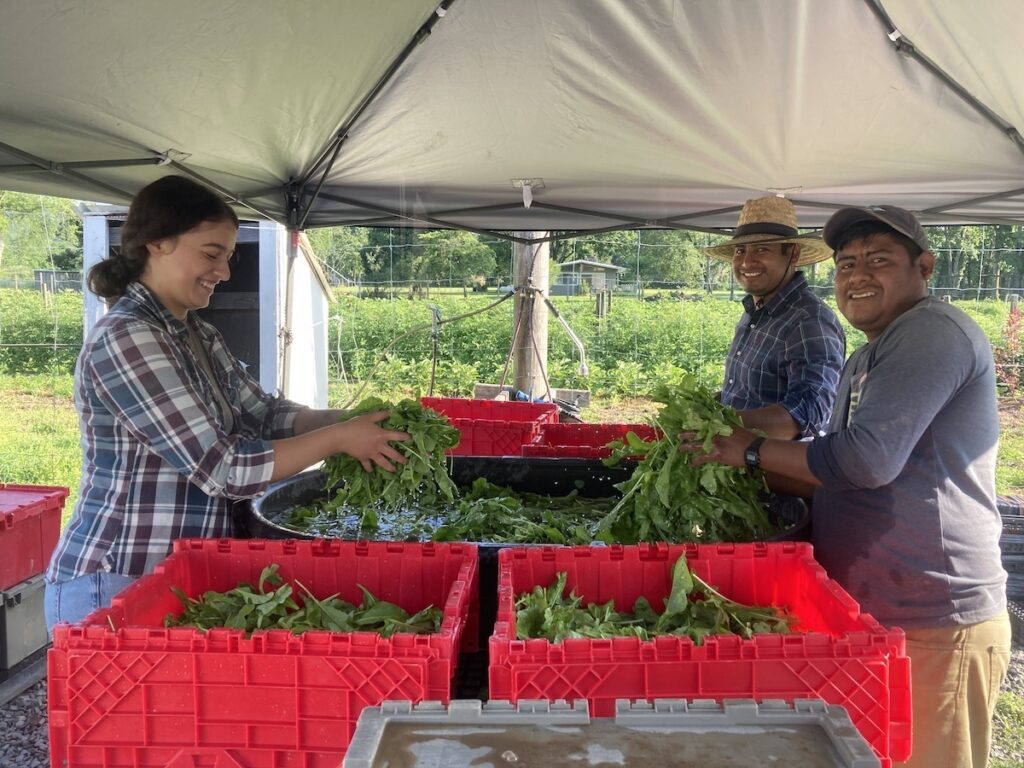
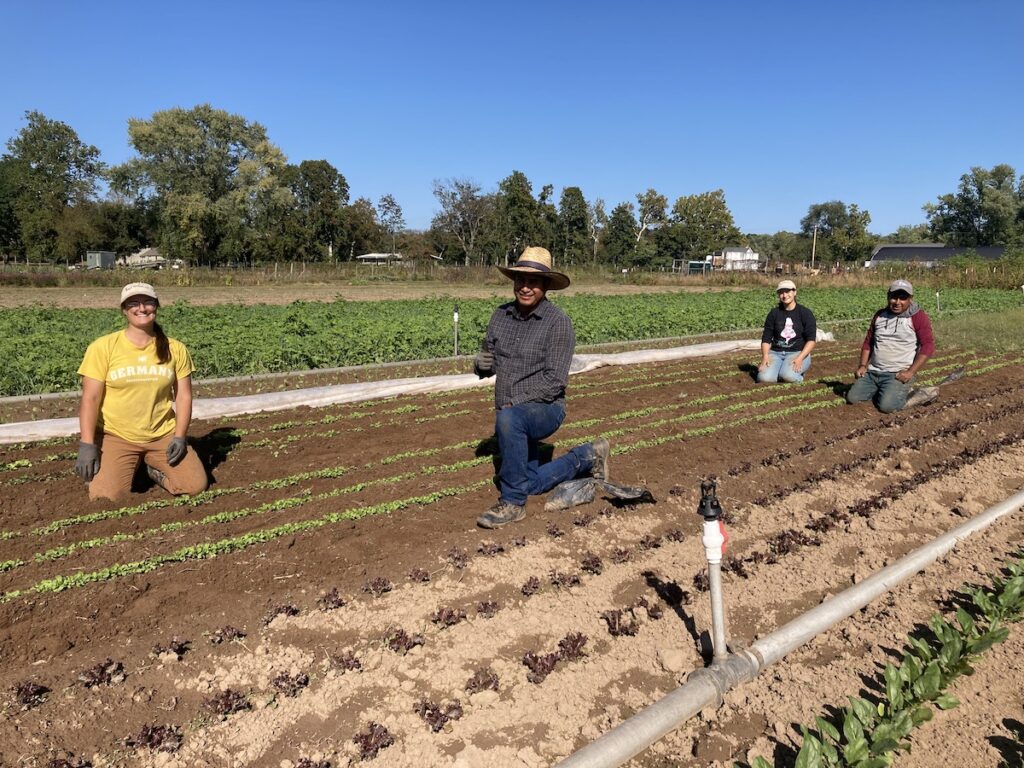
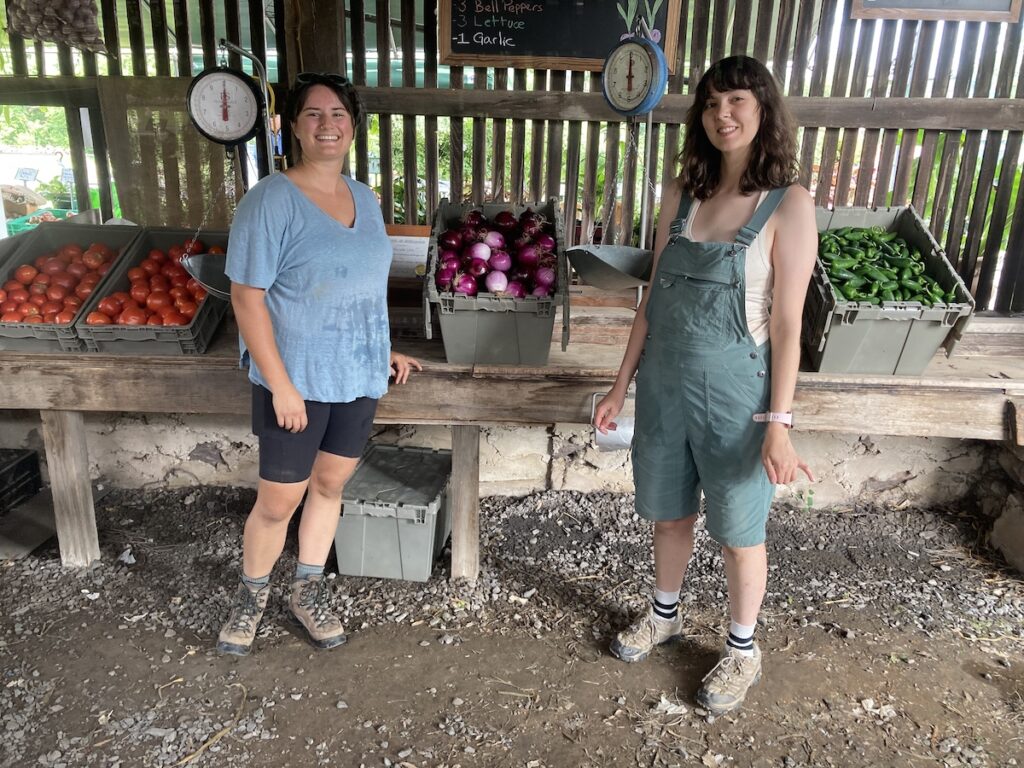
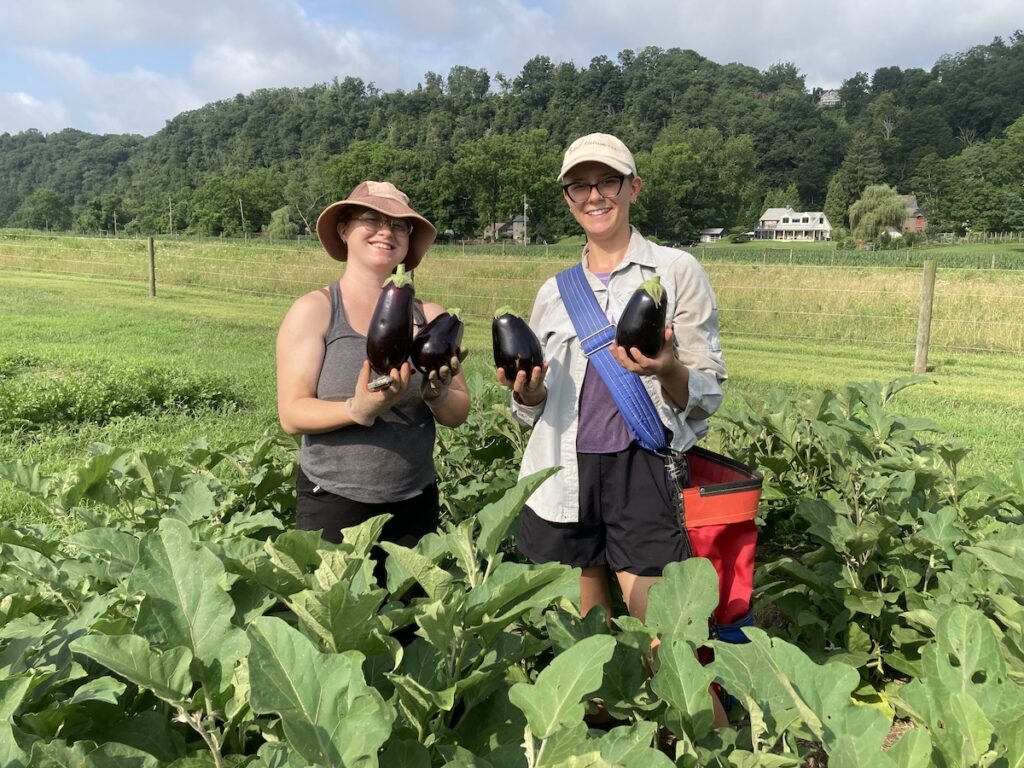
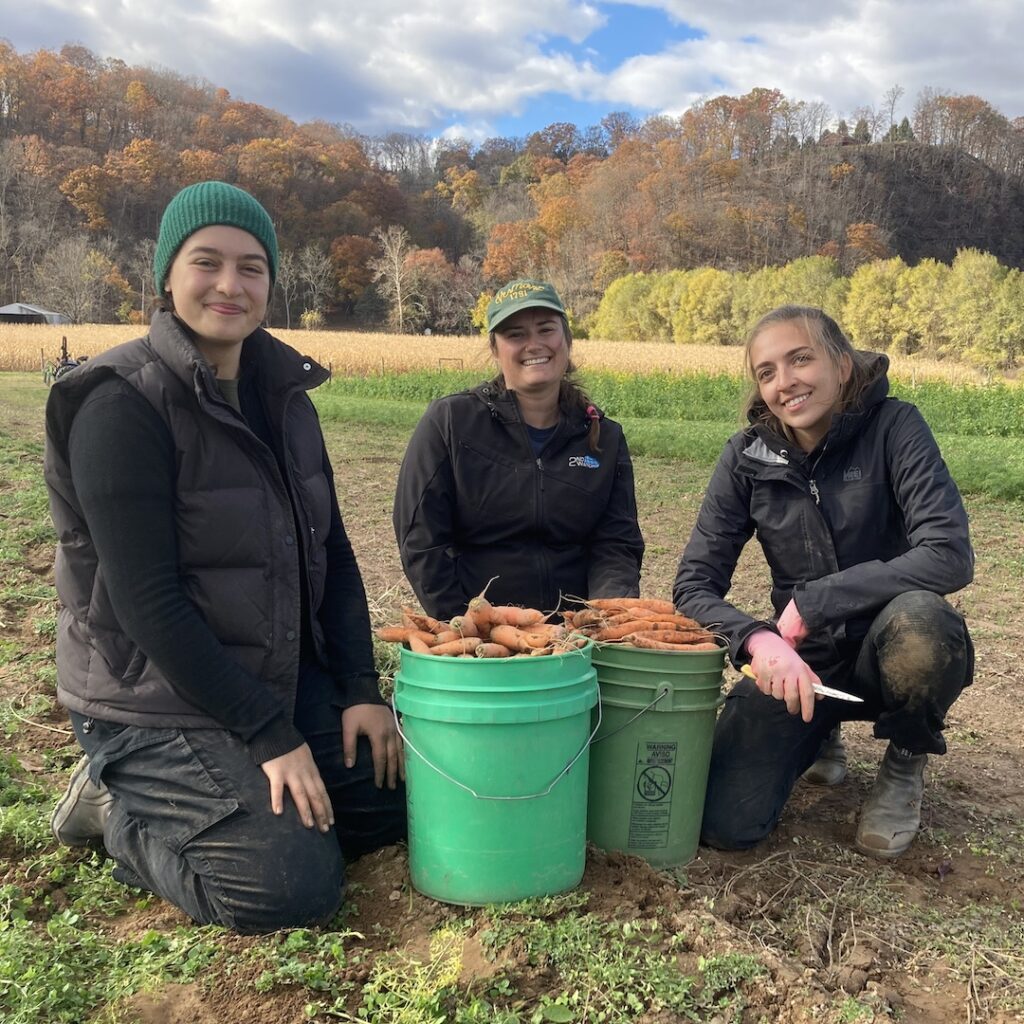
This was Rori’s 6th season and she continued to provide her signature decisiveness and grounded insight. Miranda spent way more time on the farm this year both in the field and at pickups. It was helpful to us all to have her steady, even-keeled approach. Lielle brought a ton of enthusiasm and positive energy to the farm. Charlotte pitched in with a sense of humor and reliability. Isabelle, who had been on the crew in 2019 & 2020, returned with a seasoned perspective and her usual calm presence. Izzy, who last worked on the farm in 2023, returned with the same positive determination and focus on having fun. And Hannah, even through pregnancy, brought her unflappable attitude and energy to the farm, working far longer into the season than I thought possible. And she happily welcomed her daughter, Wren, into the world in October. It is so great to see the farm crew become friends as they shoulder the challenges of farming together.
Year of the Onion
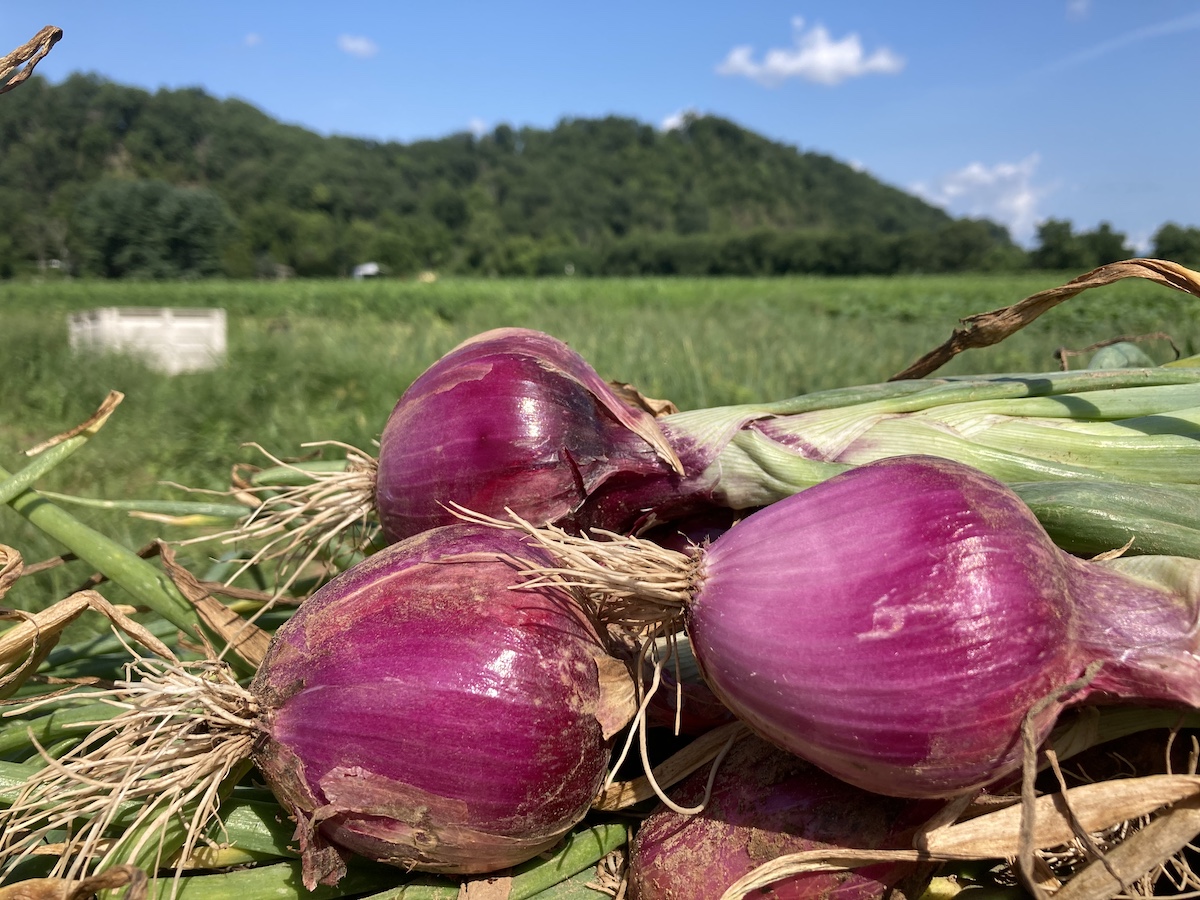
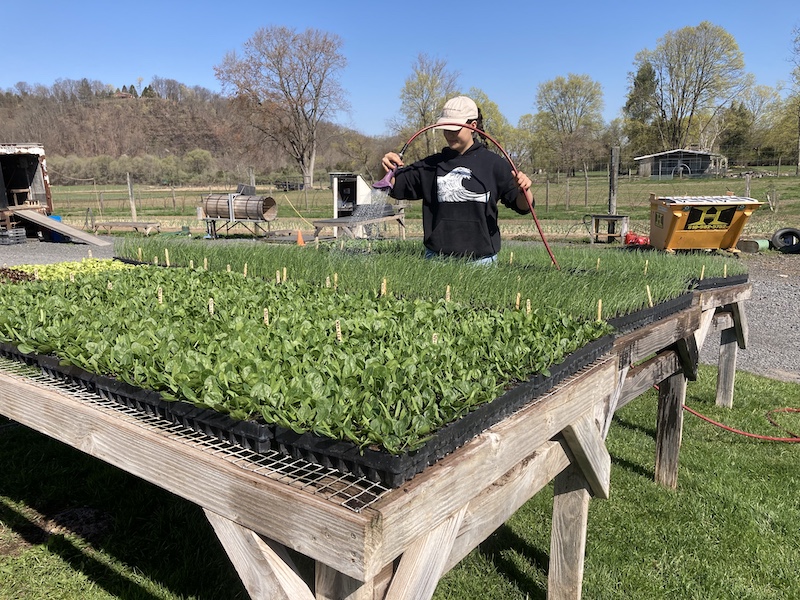
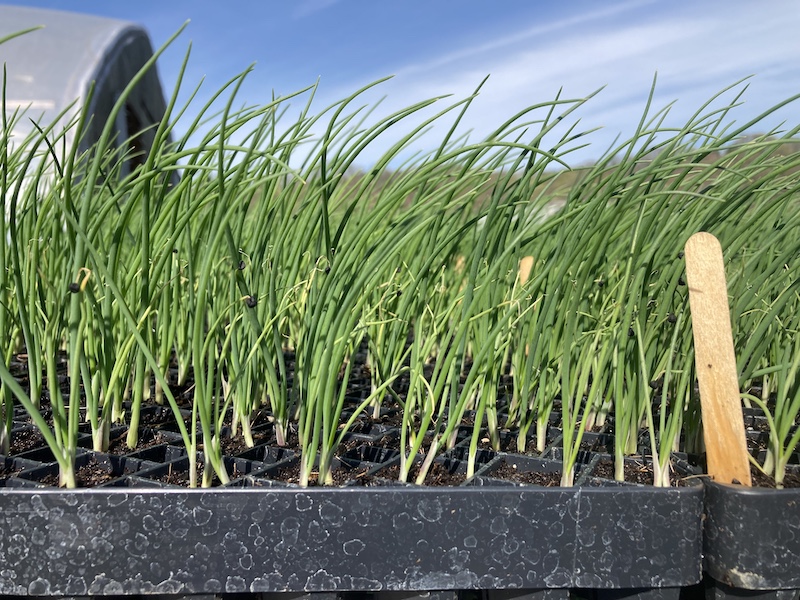
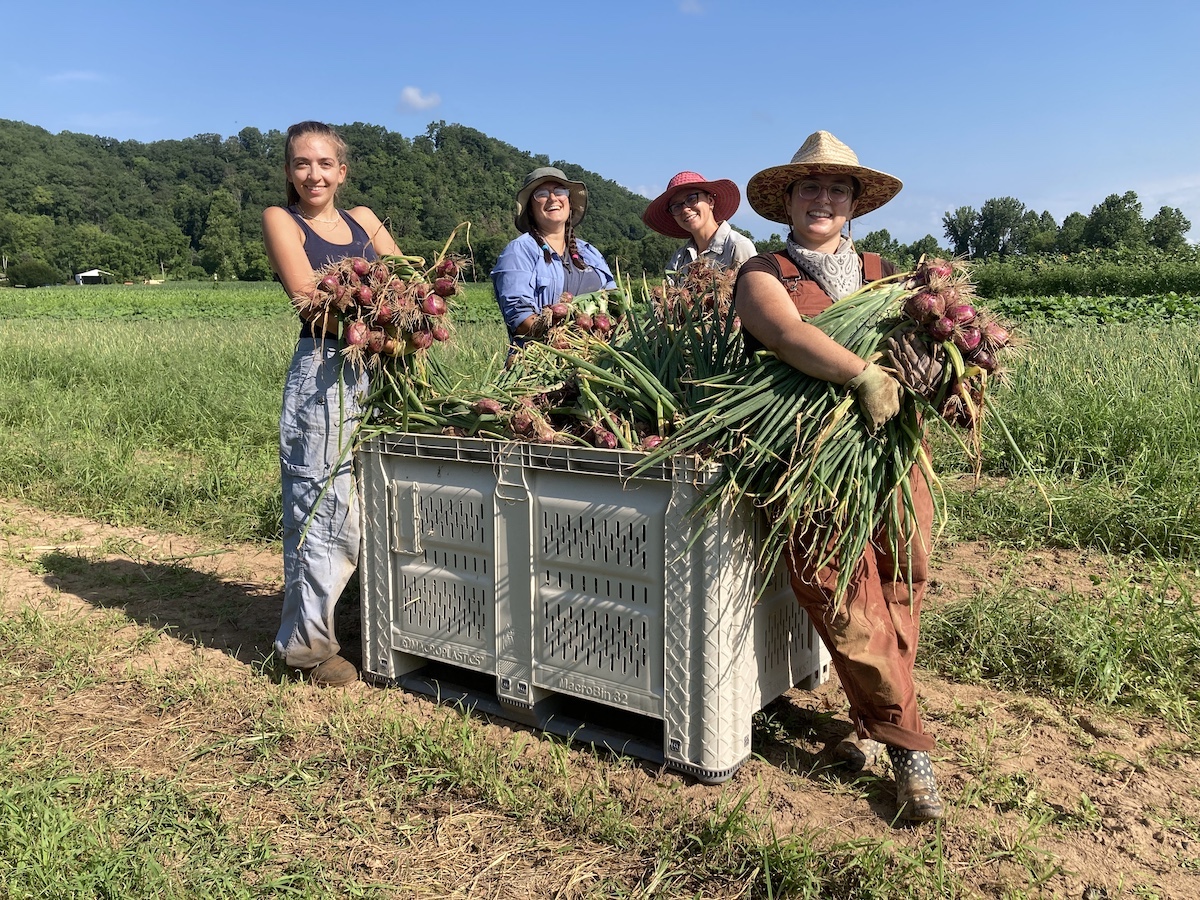
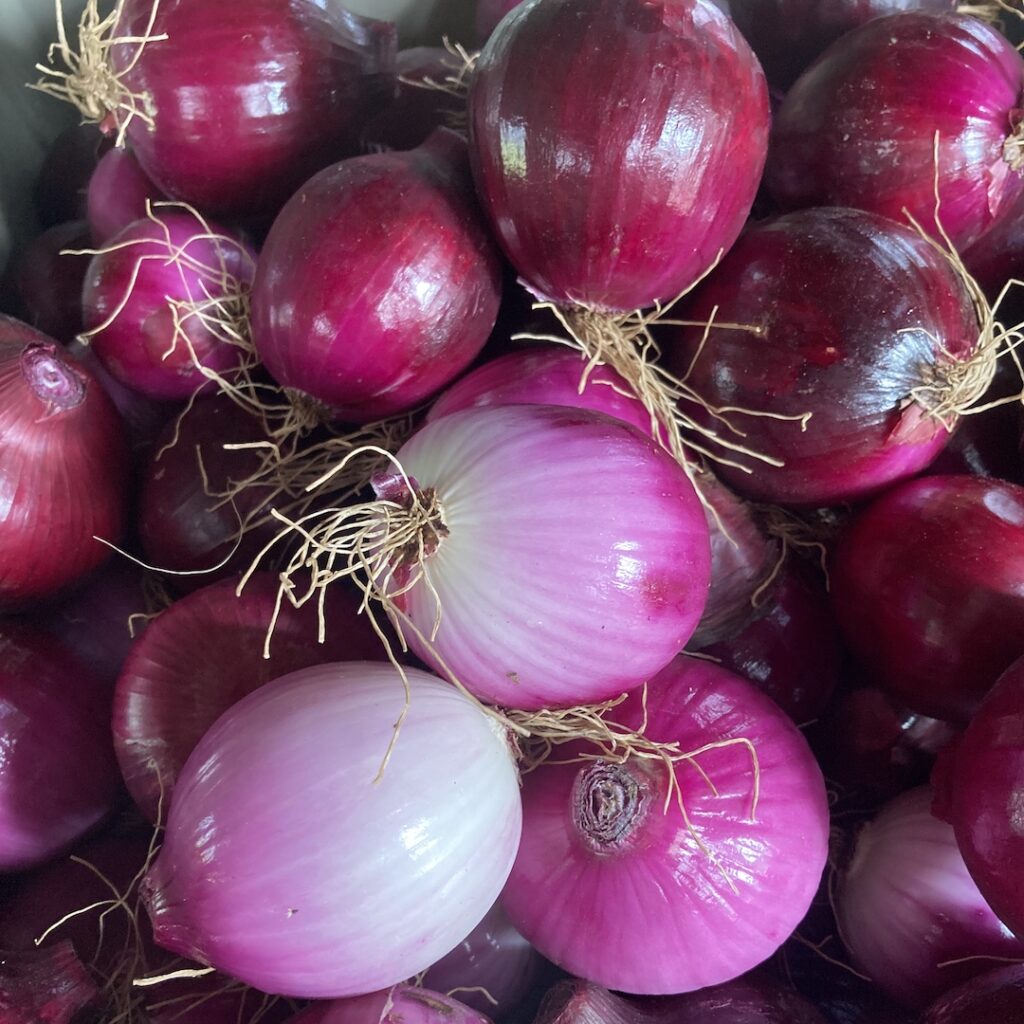
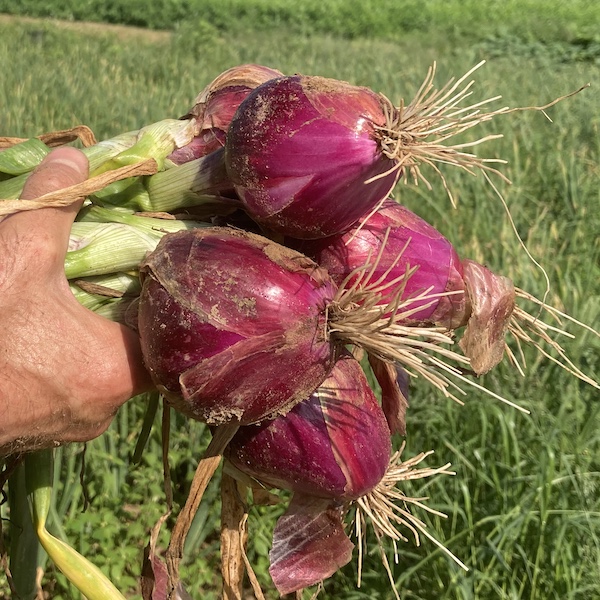
We seed the majority of our veggie plants in the greenhouse by hand, but in the past we would buy bundles of onion seedlings shipped from far away. In recent years, the quality of these seedlings has become unreliable. So we decided to start all of our onions from seed in the greenhouse. I distinctly remember seeding day in the greenhouse with Rori, discussing the outlook for the onions. At one point in our discussion to reassure myself I said, “Let’s plan on the onions working out.” And I’m happy to report that they did! While we planted and harvested them a little bit later than in past seasons, we were rewarded with one of the best harvests in the farm’s history. The quality and quantity was great and we discovered a new favorite variety, Rossa di Milano.
Why Onions Go Fast
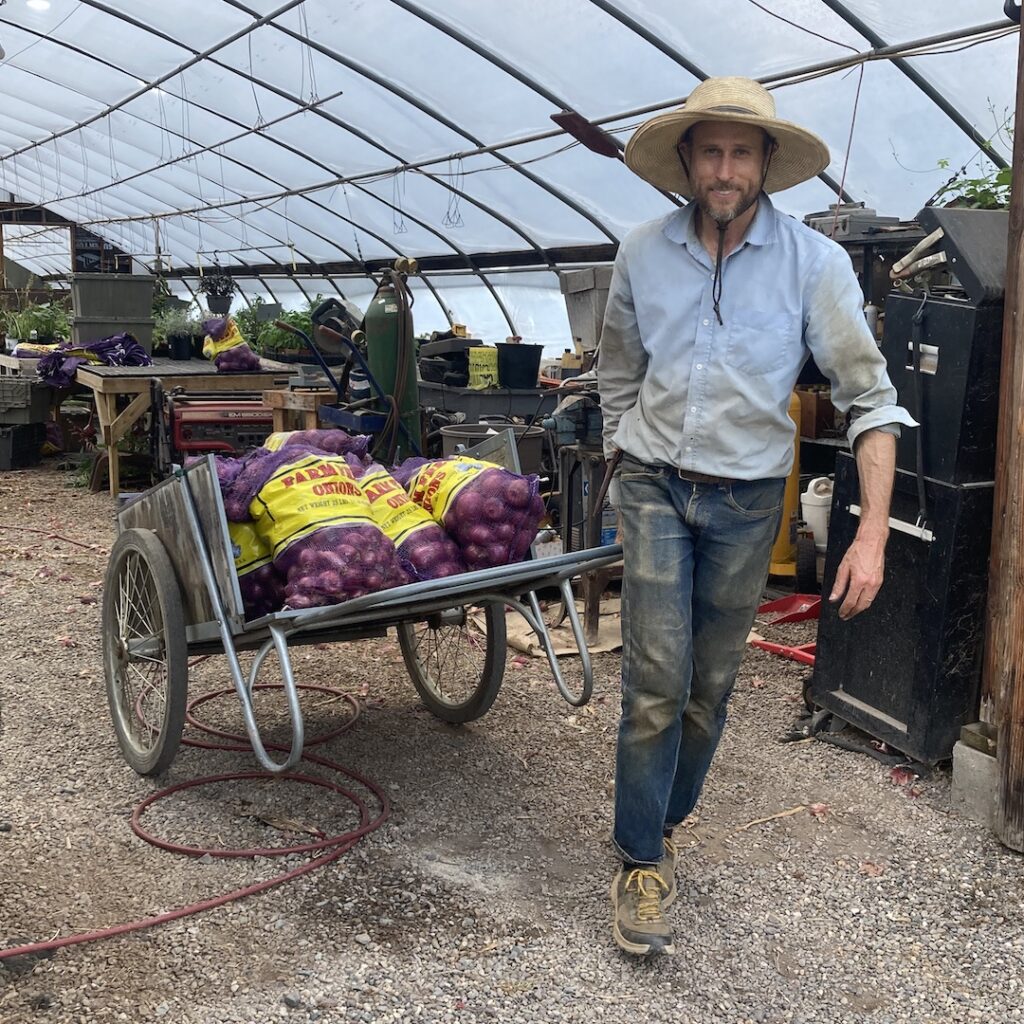
After the harvest, we would prefer to distribute onions for the rest of season, but we also need to be mindful of their quality. We cure our onions in the greenhouse where they are exposed to high temperatures and airflow. While this is a good method for curing, if they stay in the greenhouse too long they will start to degrade. Since we don’t have ideal infrastructure for storing lots of onions, a couple of years ago we decided to simply give them out at a higher amount for a shorter period of time. This way we lose fewer onions and everyone takes home more during that time. This year we distributed the onions over an 8 week period, and I hope that many of you were able to store some beyond that point.
Year of the Beet
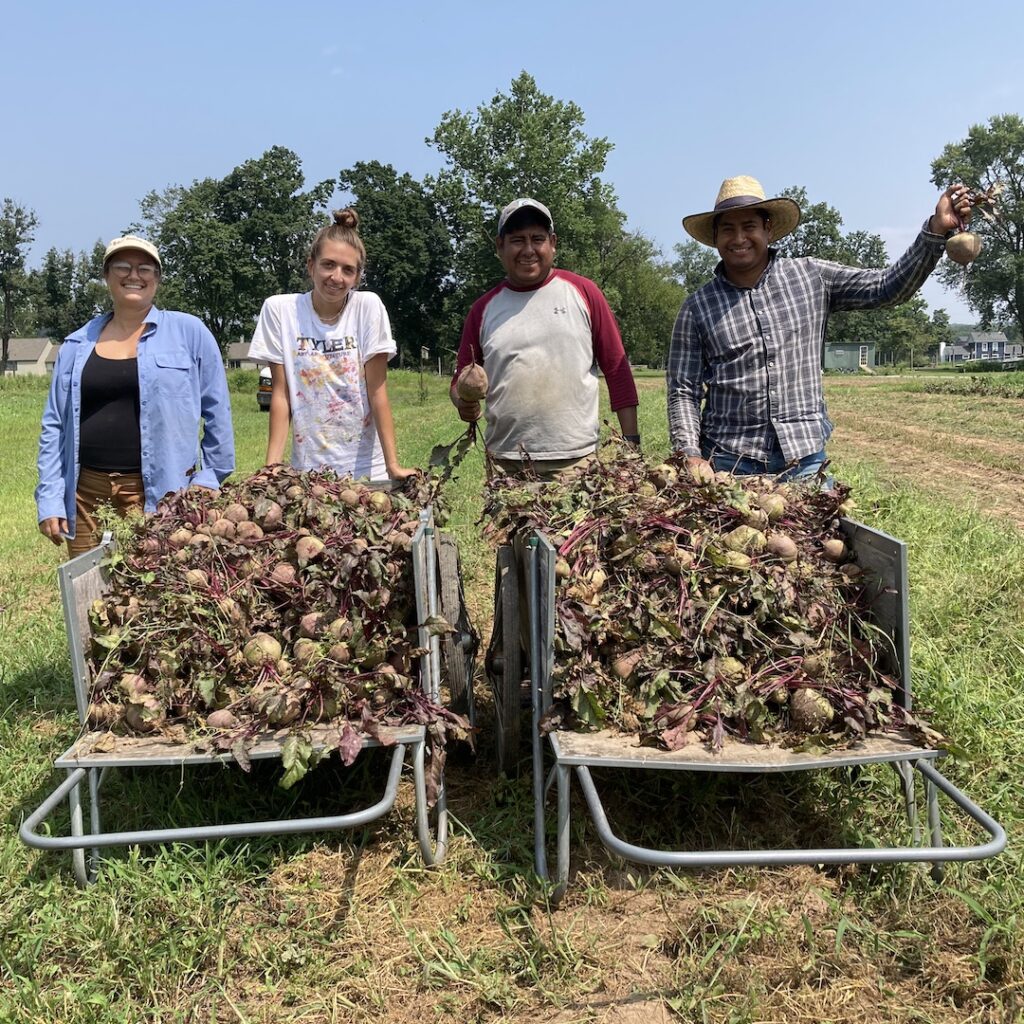
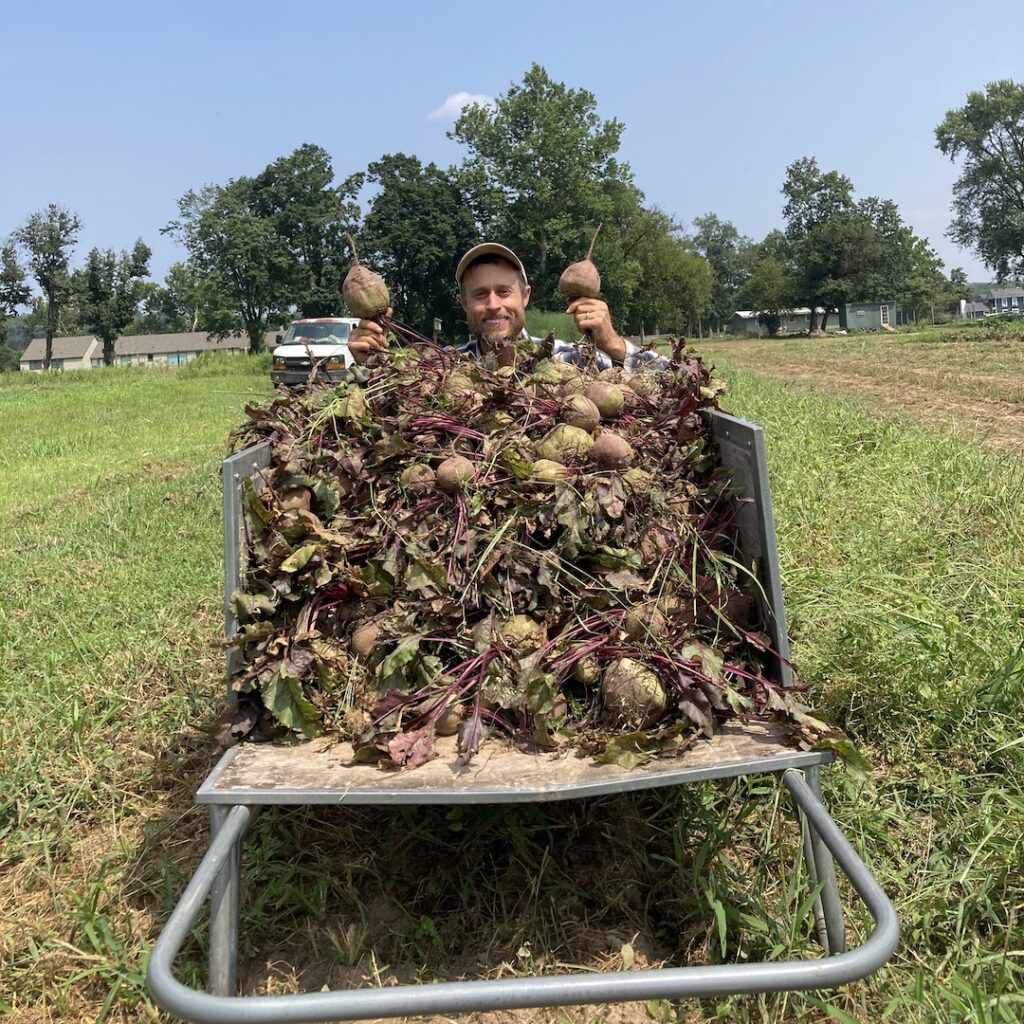
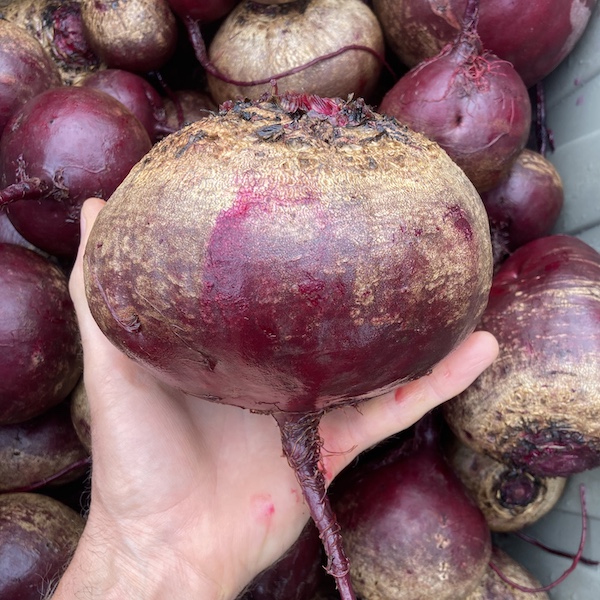
Beet production reached an all time high of 5,741 lbs. We had some of the largest individual specimens ever, and it was fun to fill our medieval garden carts to capacity for so many abundant harvests.
Broccolini Worked Out
You may remember in last year’s reflection that I mentioned the difficulties in growing broccoli. This year we tried out a new-to-us crop: broccolini. It’s basically broccoli, but instead of a large crown, it is grown for side-shoot production. The shoots grew into these long, elegant florets which we bunched and included in many of our “choice” options at pickups. I’m excited to be expanding our broccolini production in 2026.
Sweet Potato & Butternut Squash Success
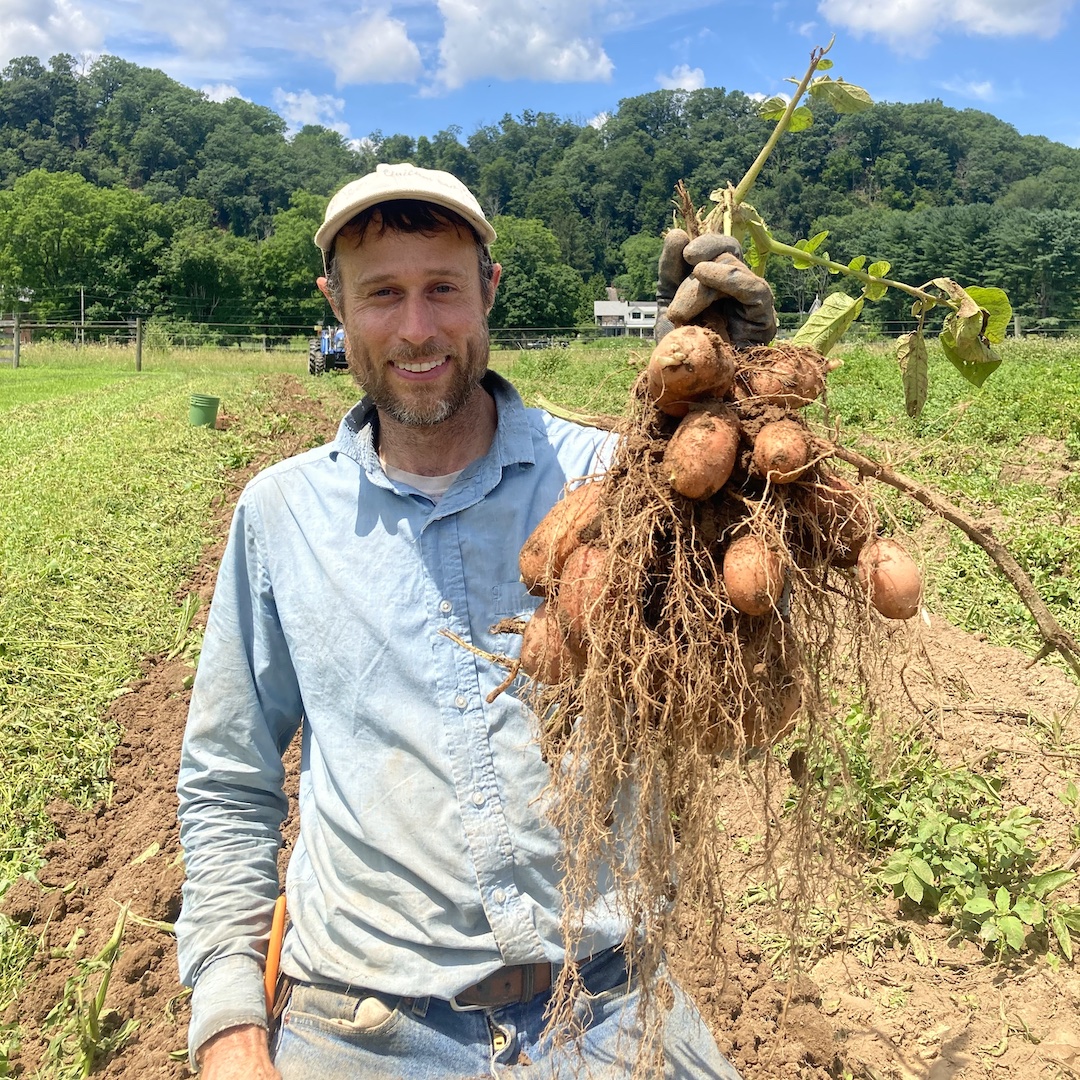
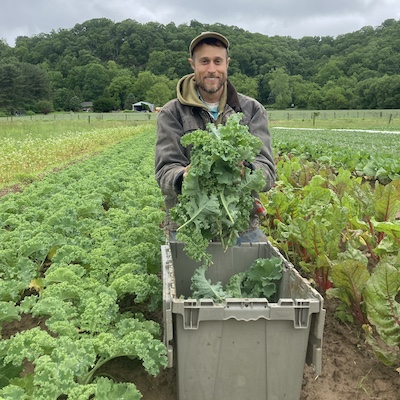
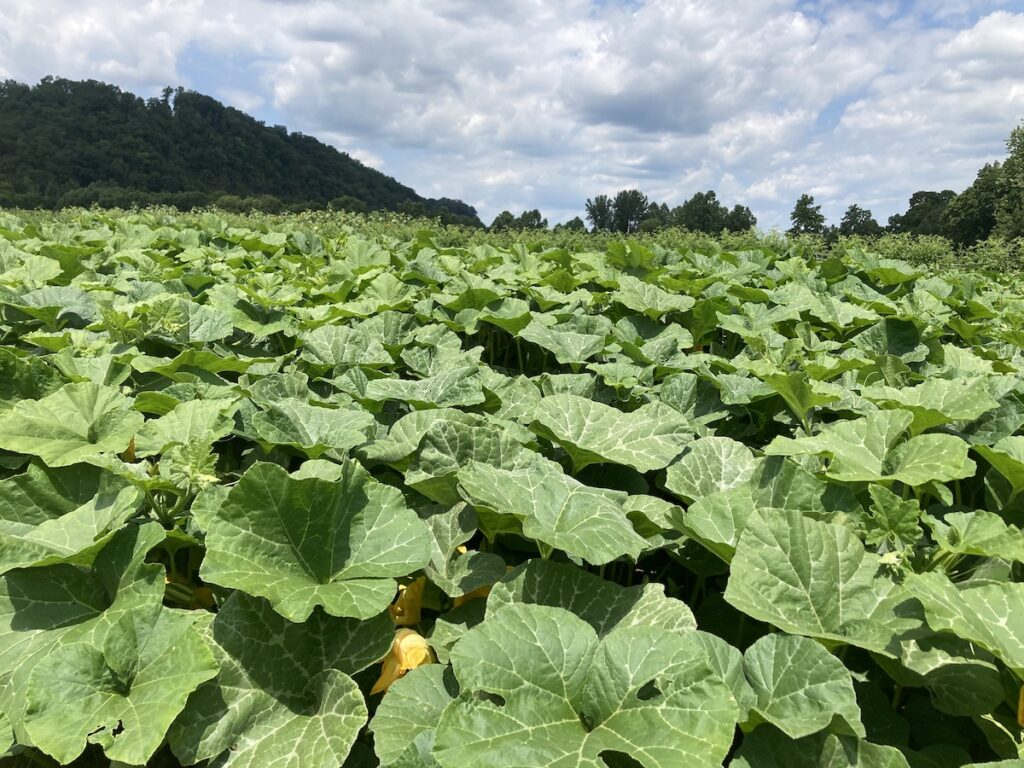
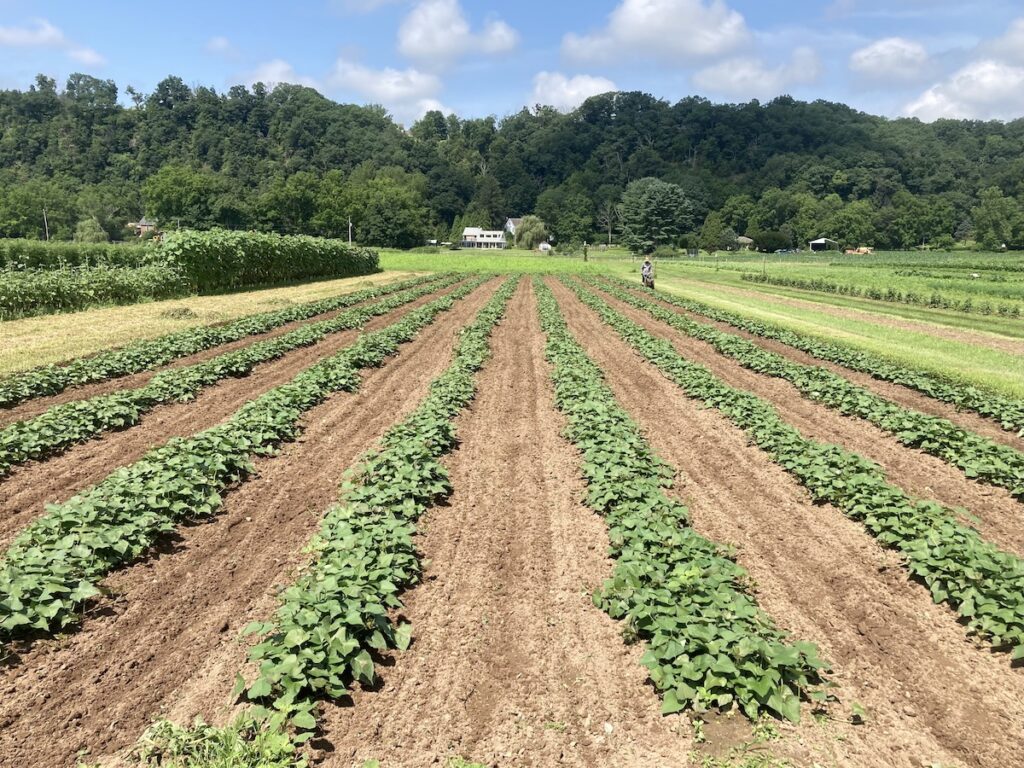
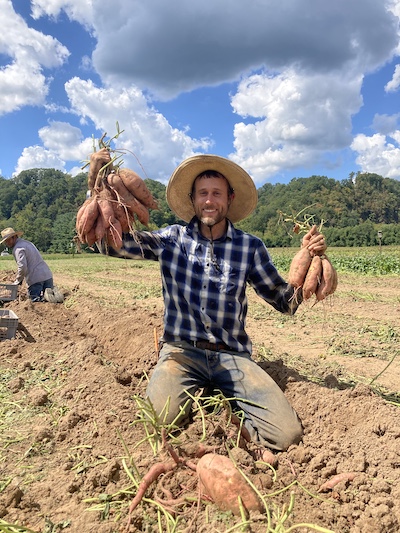
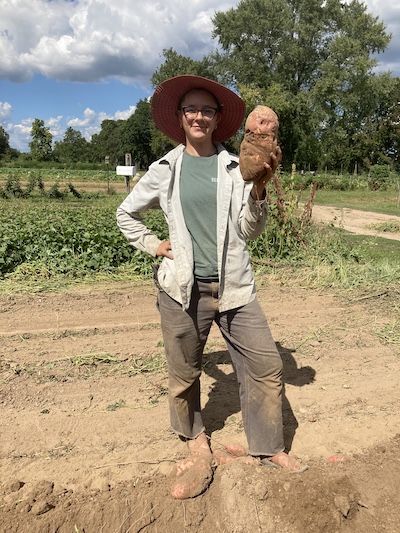
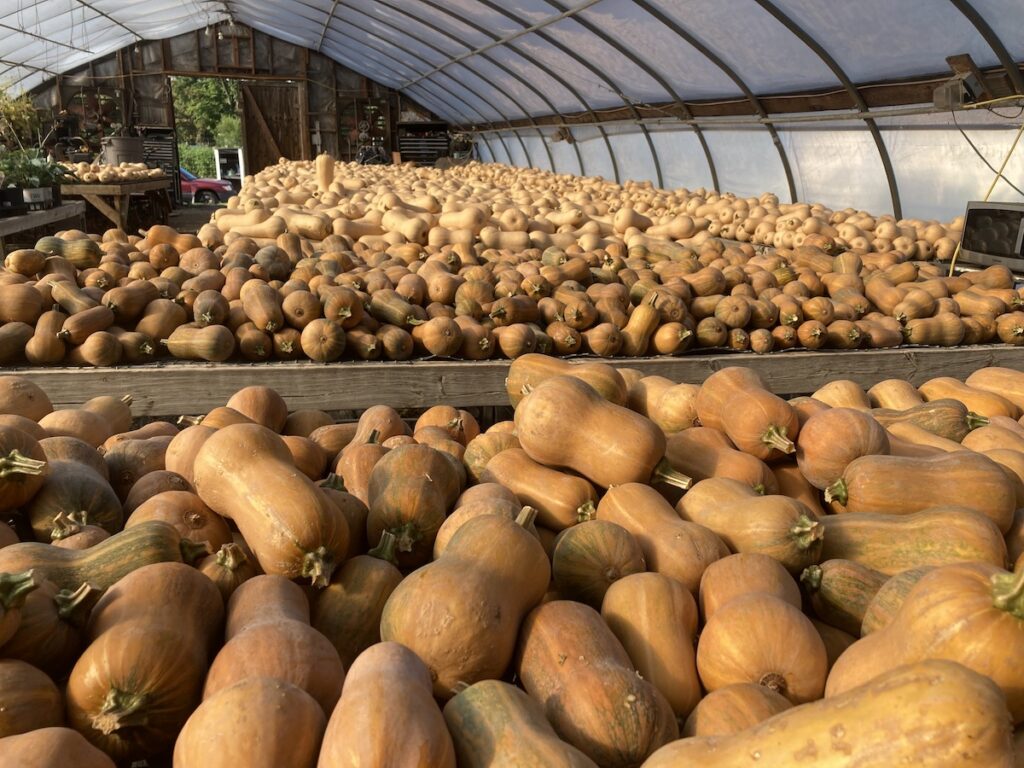
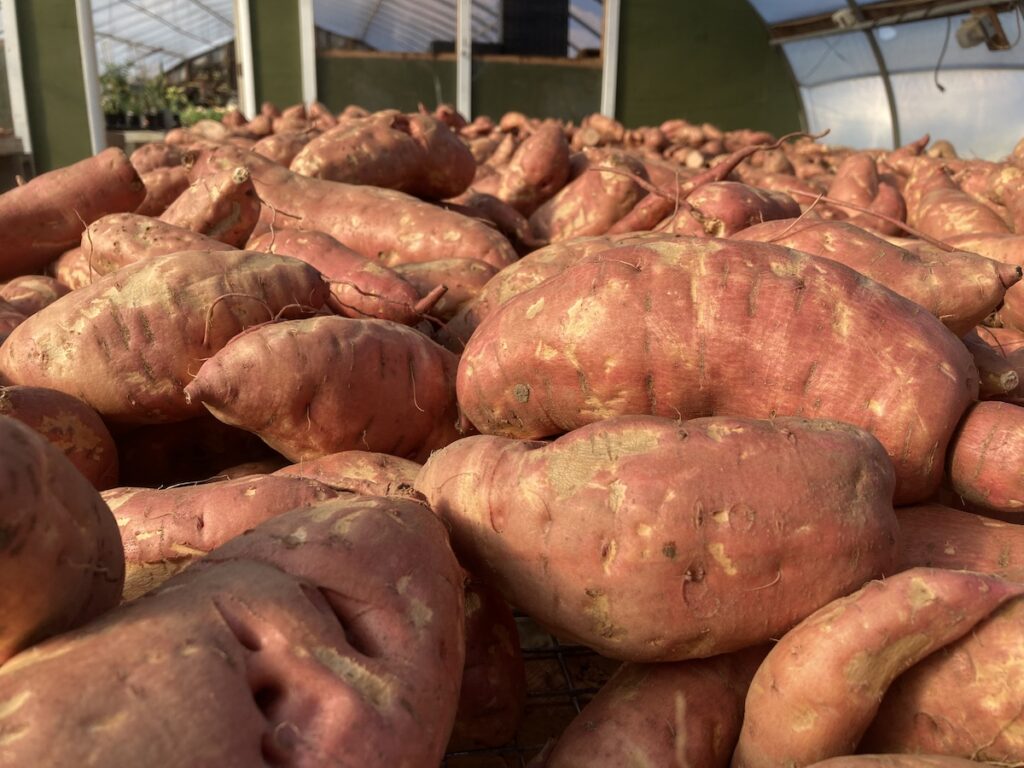
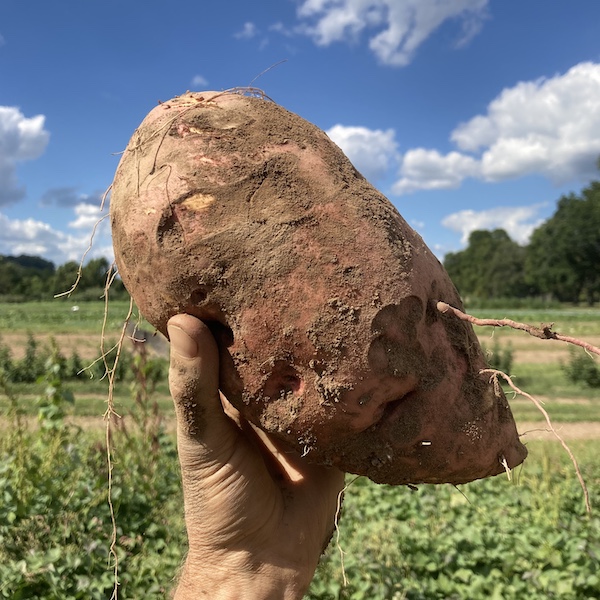
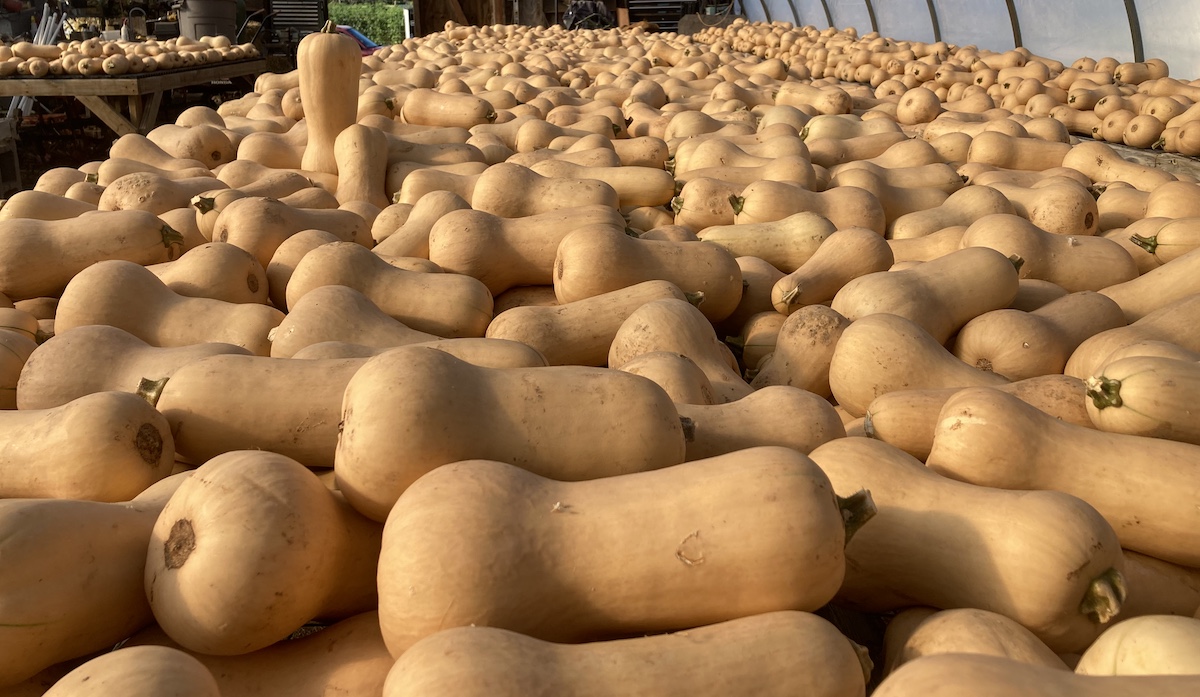
Controlling weeds is an essential farming task that requires constant vigilance, good timing, and follow-through. So I’m very proud of our weed control in the sweet potatoes and butternut squash, which paid off with excellent yields. It was so satisfying to pull large sweet potatoes out of the ground and to fill the greenhouse with a mountain of squash.
2026 Raspberries On Their Way
The original raspberry planting has reached old age and you may have noticed that it didn’t make much of an appearance this time around. So I am excited to tell you that we planted a new row that is looking healthy and should be quite productive in 2026.
How the Weather Affects Things
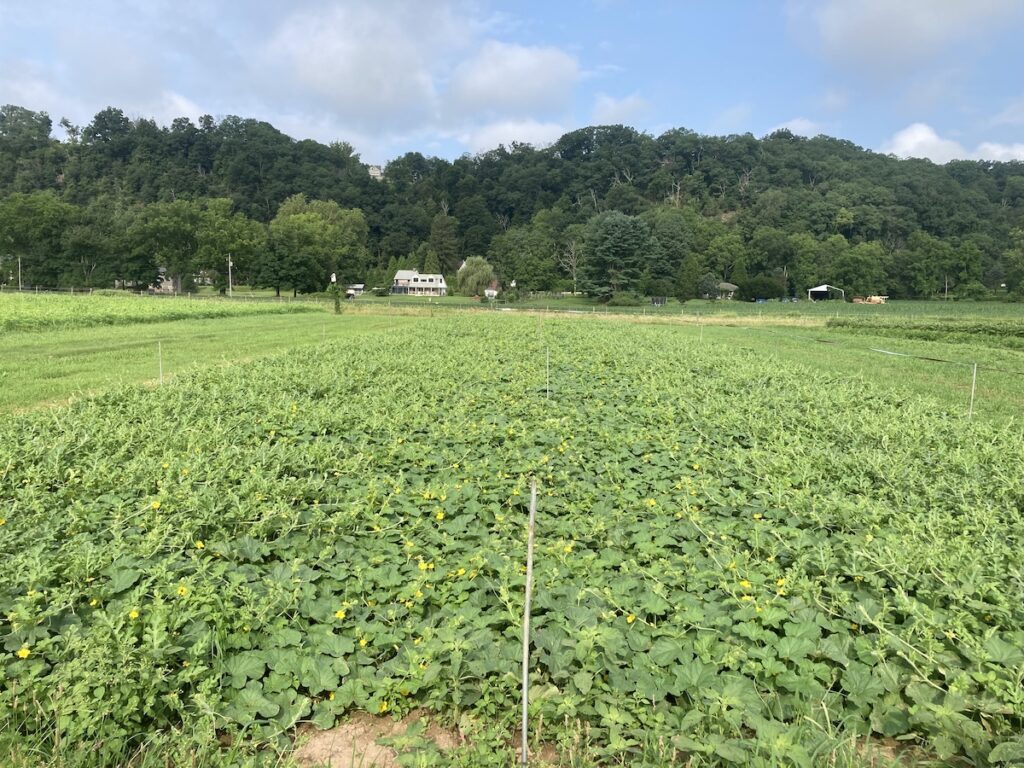
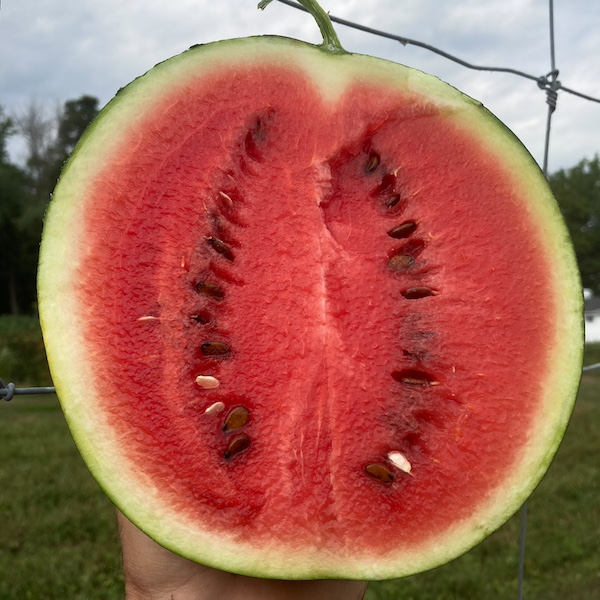
Every year we go through weather challenges and every year due to climate change the weather is more erratic and severe. For example, we had to deal with wetter, cooler temperatures in May and June that affected our melon production. In spite of our efforts to do just about everything right for optimal melon production, the excessive rain resulted in noticeably dull tasting melons and fewer melons overall.
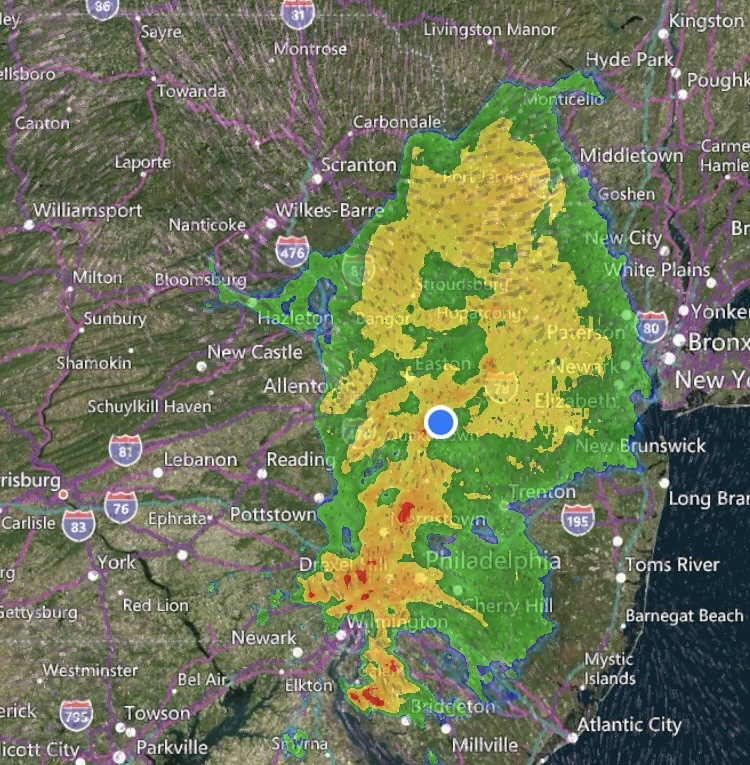
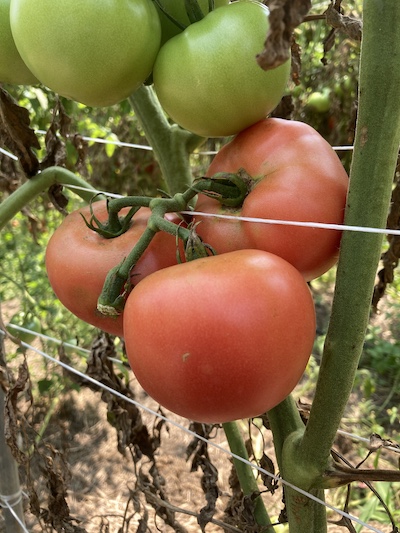
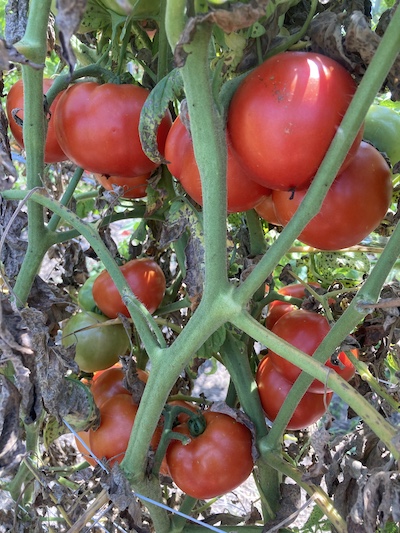
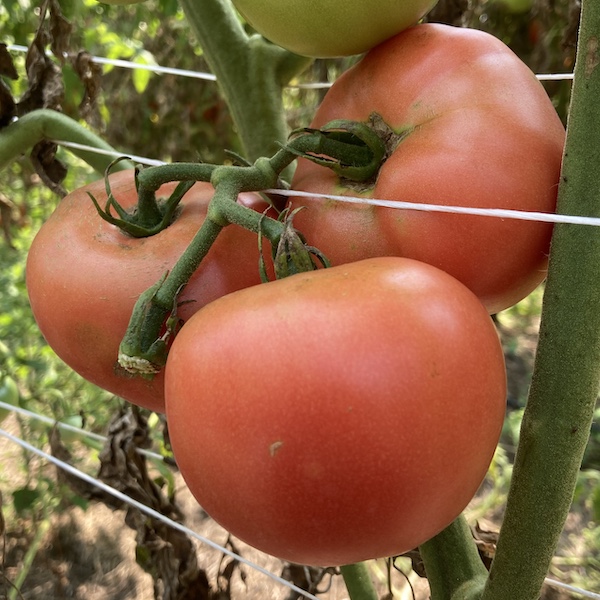
Upon reflection, I think that the early wet weather caused a number of crops to physiologically age faster. In addition to the melons, the tomatoes seemed to be a couple of weeks ahead of their usual growth cycle. This was visible in the speed of desiccation and loss of lower branches and leaves. Sustained stress in the form of heavy rainfall and drought causes most crops to age more rapidly than they would in a more stable climate.
Drought
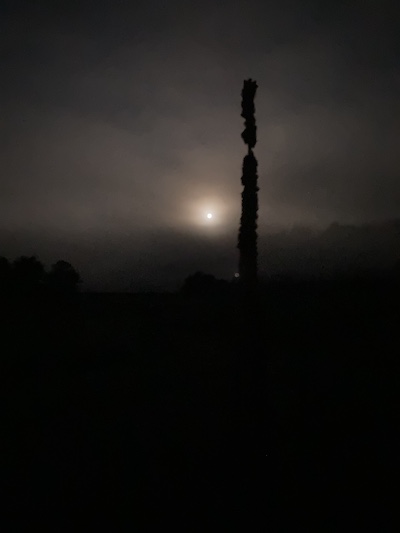
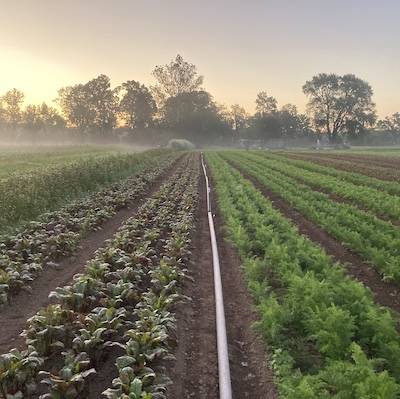
While I will remember 2025 for those wet conditions, I will also remember it for its periods of drought. Especially in August and into the Fall, on many mornings I found myself at the farm before dawn to get a head start on irrigation. And we remained busy moving irrigation pipes around to keep the crops alive.
Cover Cropping
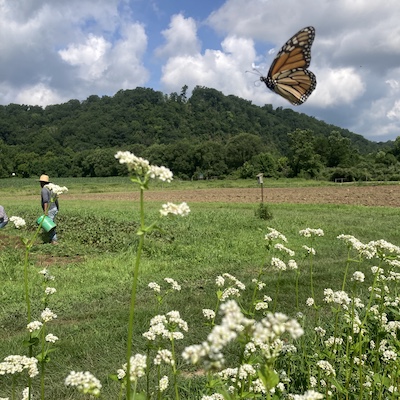
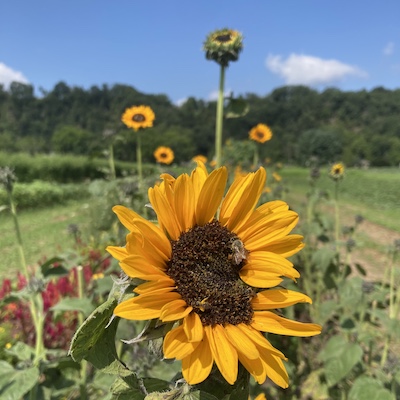
To improve the soil and attract beneficial insects, we grew some lush stands of diverse cover crops. We continued to grow beneficial insect strips in the potatoes and noticed a significant increase in the presence of ladybugs. And we supported our pollinator friends by growing a number of flowering cover crops including buckwheat, phacelia, and mustard. My favorite mix of sunn hemp, sorghum sudan grass, and sunflower mix grew well in a few different spots on the farm. This coming year I am looking forward to adding a few more flowering plants into the cover crop plantings for increased diversity.
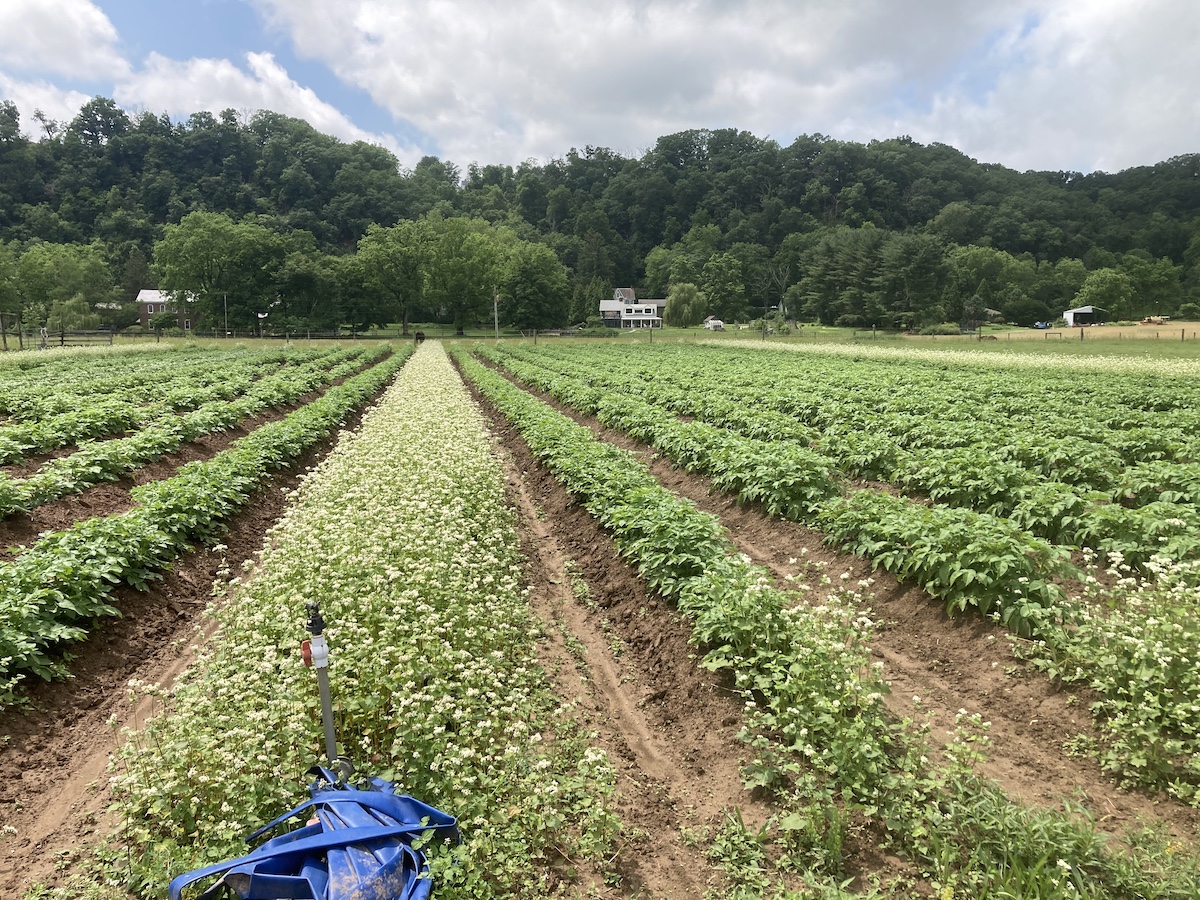
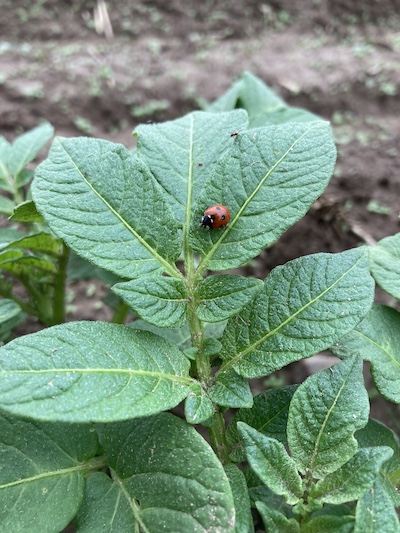
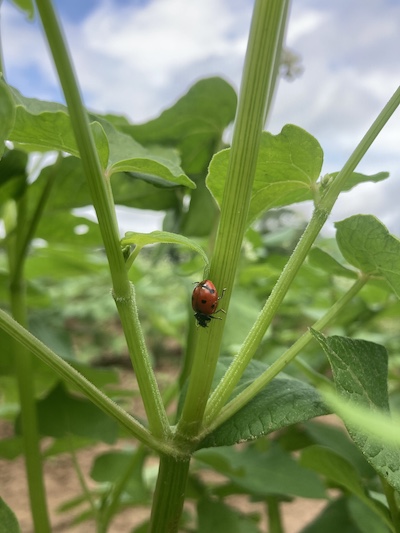
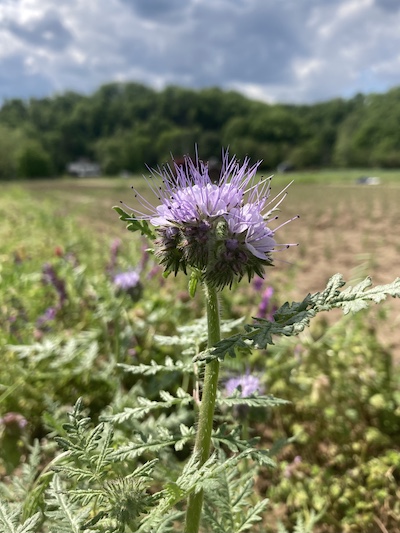
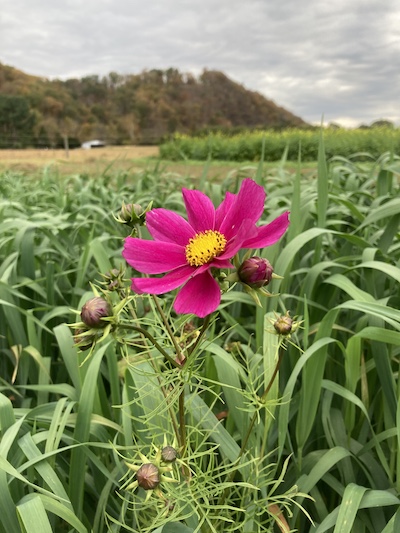
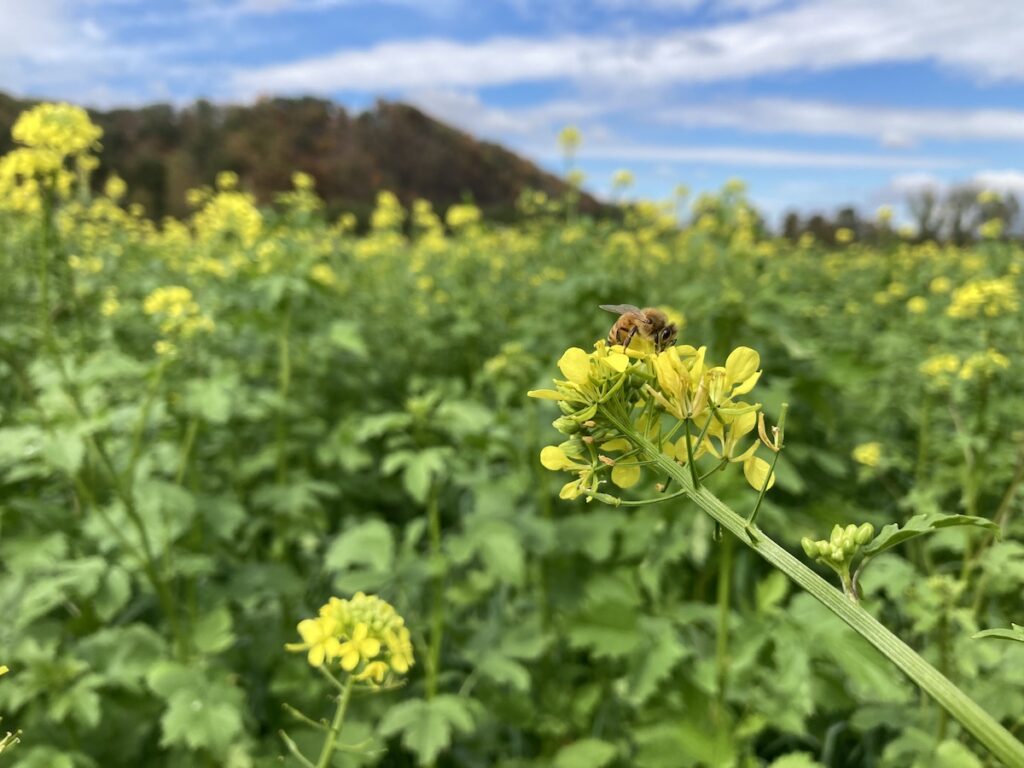
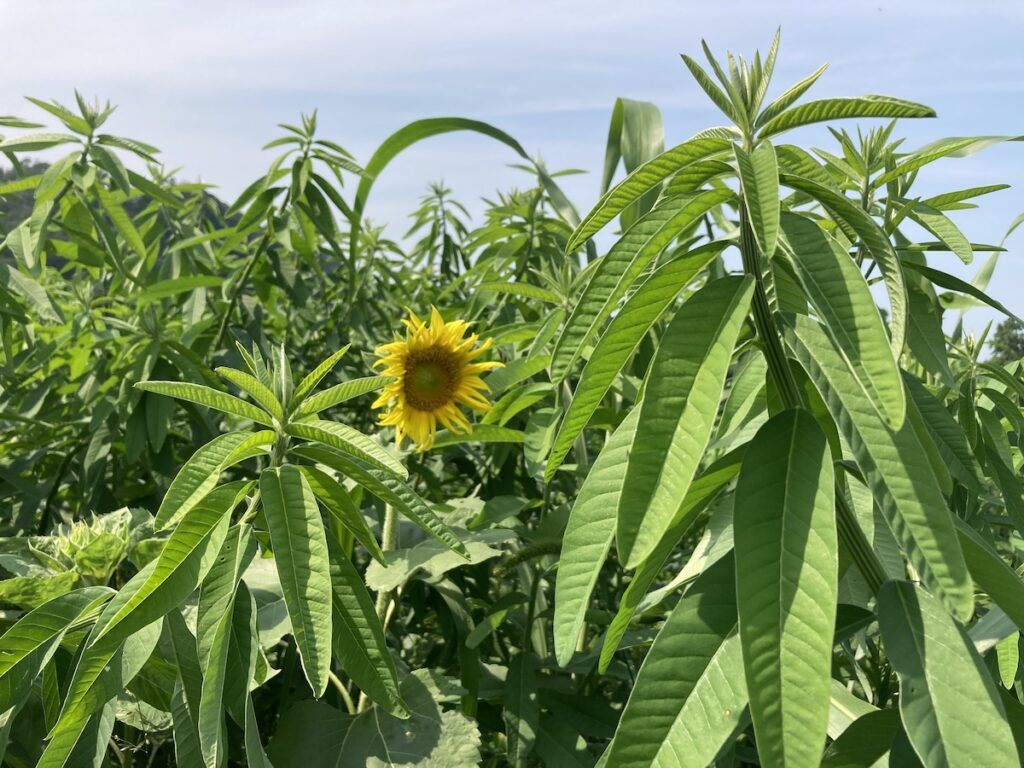
In a world with so many chemical threats, the farm really is a safe haven for insects, birds, and other wildlife. Many of you have seen the flower patch humming with the sounds of happy insects and the energetic chirping of birds.
Highlights from 2025:
1. We reached a Grand Total Yield of 89,668 lbs, our 3rd highest yield in the farm’s history.
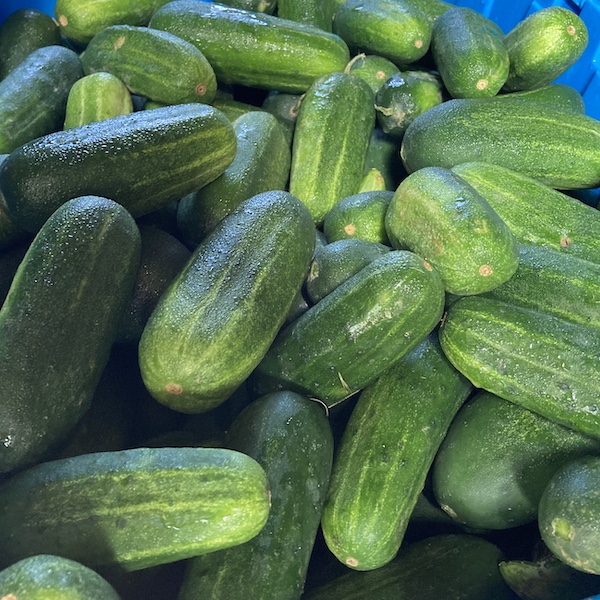
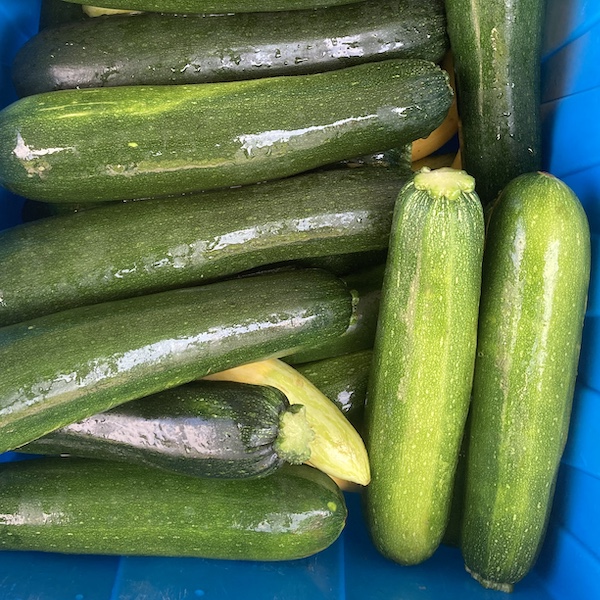
2. Cucumber production soared to 3,557 lbs which made for a refreshing, crunchy snack from June and into August.
3. The butternut squash harvest exceeded 9,000 lbs again and we distributed it continuously from mid September to the end of the season.
Crops We Grew More than a ton (2,000 lbs) of :
- Beets
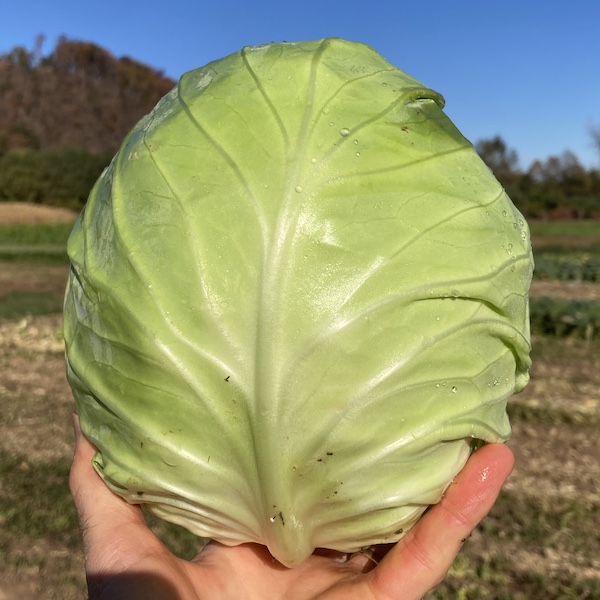
- Cabbage
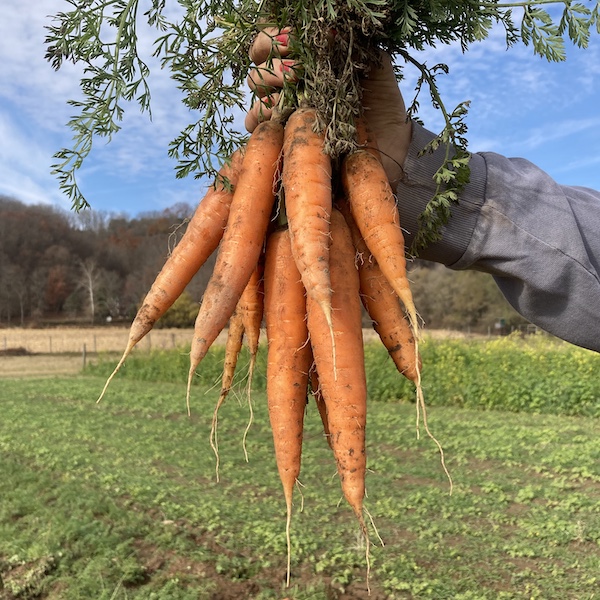
- Carrots
- Cucumber
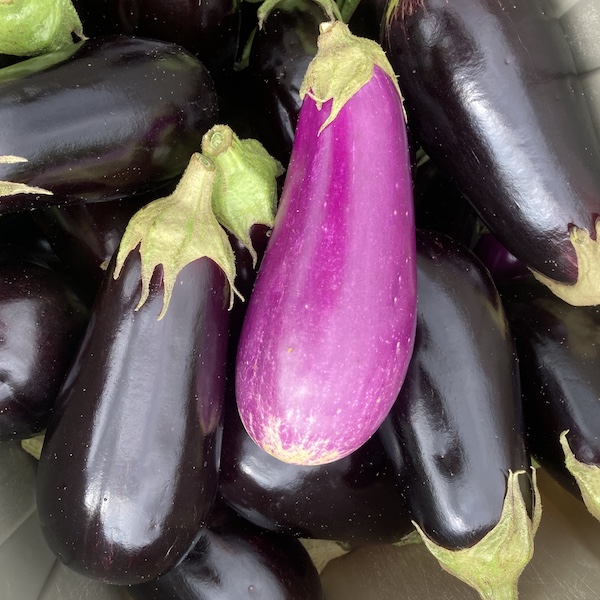
- Eggplant
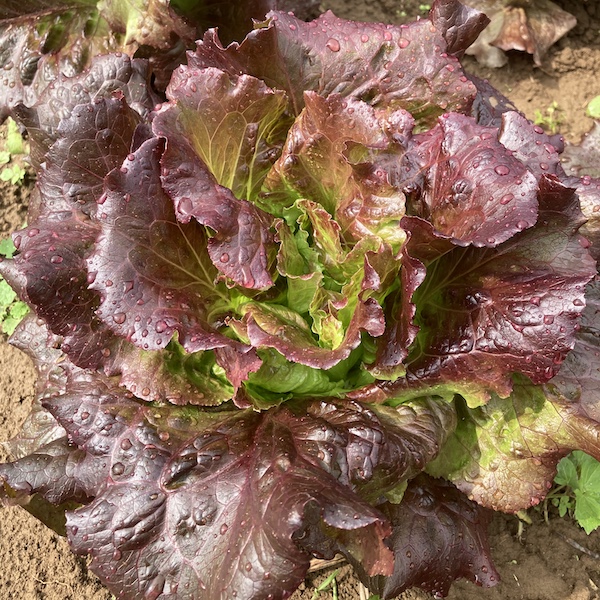
- Lettuce
- Melons
- Onions
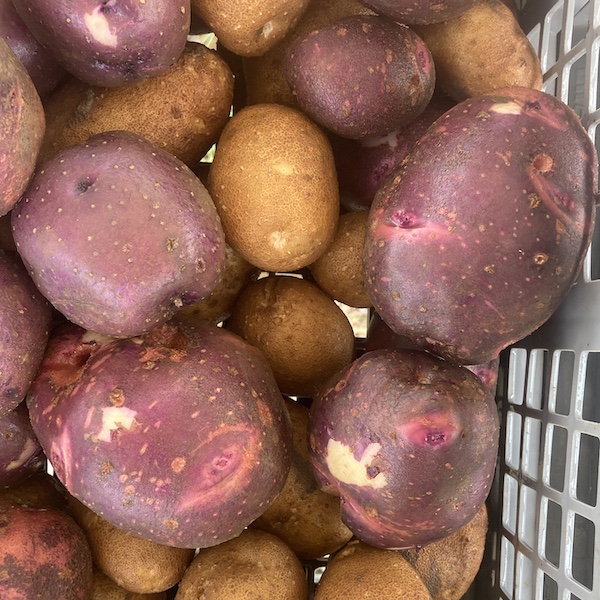
- Potatoes
- Summer Squash
- Winter Squash
- Sweet Potatoes
- Tomatoes
You Invested in your Community
Joining the CSA goes beyond getting fresh local produce for your family. You should all be proud of how you invested in your community.
- By joining Tinicum CSA in 2025 you supported the livelihoods of 10 people. Thanks for helping the farm provide meaningful work for folks interested in farming!
- We received 14 Donated Shares, which shows a continued spirit of generosity. This helps Tinicum CSA be a part of the local effort to reduce food insecurity by providing healthy produce to local families in need for an entire season. Thank you!
So far we have 3 shares donated for 2026 and our goal is to get to at least 10. Visit our website here to Donate A Share.
- And the farm continued to donate extra kale, lettuce, greens, squash and other veggies to Rolling Harvest Food Rescue, helping to fulfill their mission of connecting local farmers with neighbors in need.
Thank you all for being a part of such a remarkable year! I am so grateful for the opportunity to grow healthy produce for this caring community.
I’m looking forward to the 2026 season. See you in the Spring!